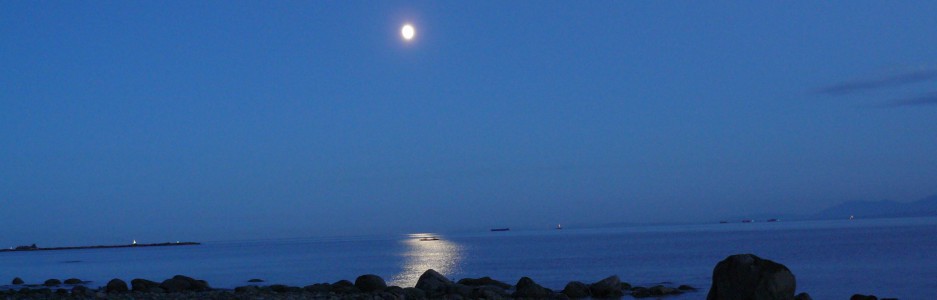
Last night the realisation hit me that I am hungry for nature. The narrow stone alleyways and ancient castles and churches may be fascinating, but they are no replacement for the sound of waves crashing along a rocky shore or the smell of giant Douglas firs and moist blankets of fallen needles.
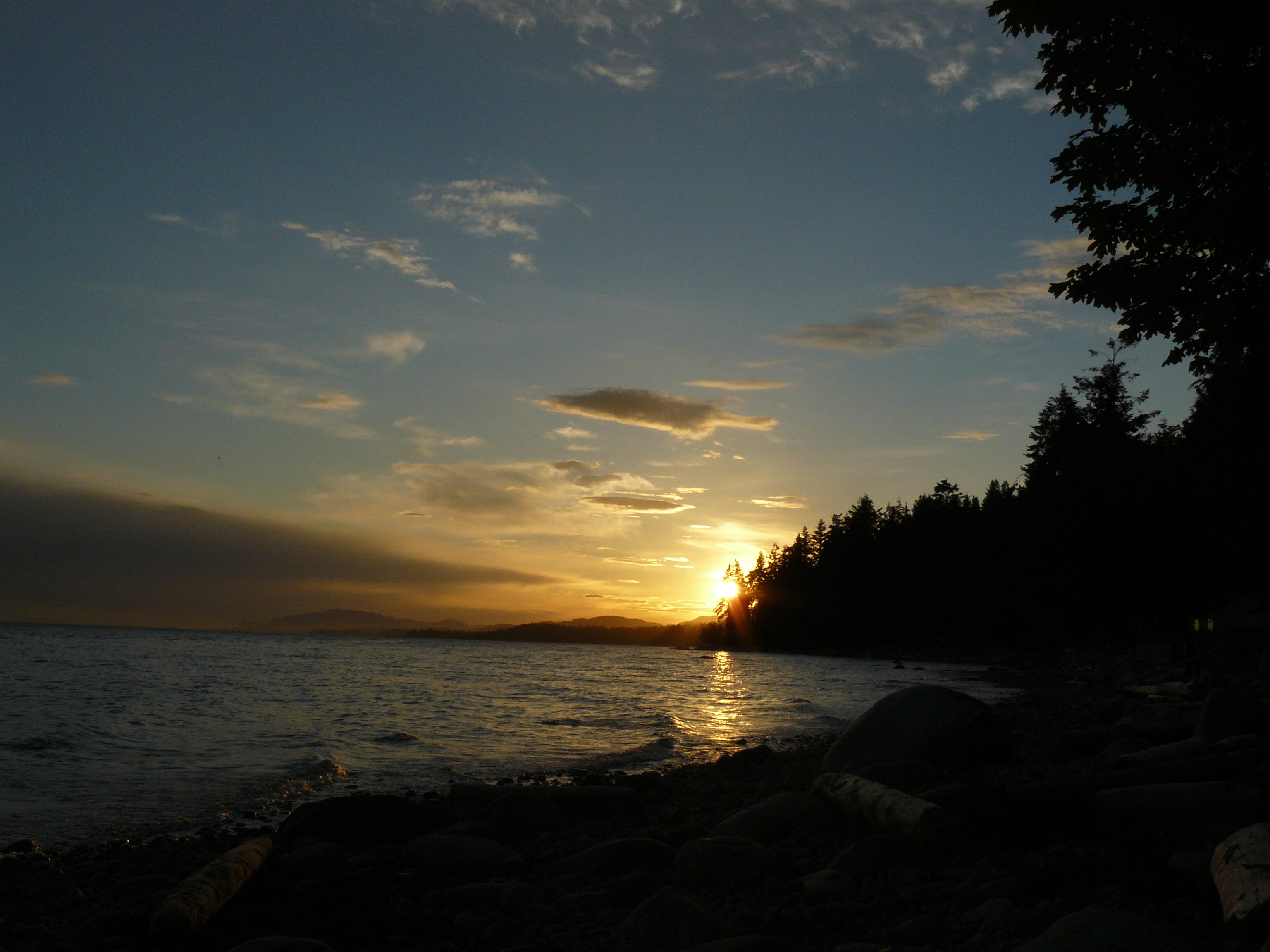
I miss the mountains, the dark blue sentinels against the sky. I miss the clacking song of creeks and the wash of the sea against a patch of smooth round pebbles. I am thirsty for the rain that falls all day on cedars and hemlocks and firs and makes them grow taller than anywhere else. I am hungry for the soft grass of my backyard, the lilac and the plum tree I grew up beneath, the dirt road beside our family home leading down to a secluded corner of the beach. The sun often sets with a dramatic spill of orange and pink, spreading out across the horizon and morphing into different shapes and hues within minutes, as the burning ball of the sun suddenly drops behind the mountains, rushing to go to sleep as it reaches the finish line.
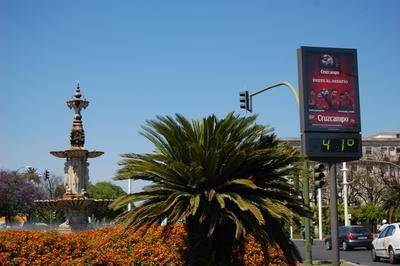
To my dismay, the river that once soothed me here in Seville has revealed itself as a murky, polluted soup of bags and bottles, unfit for swimming according to the signs in the park. The grass is parched and the trees along the river are planted in neat rows. The parks are manicured and there is no forest to speak of, and no place to get away from the throngs of locals and tourists taking advantage of spring before the deathly heat of summer hits. All the oranges have dropped and most streets are bare of greenery. I do not know where to escape from the sound of cars rushing by. Even along the river, the streets above echo with growling motors and squeaky breaks. The smell of cigarette smoke often drifts up to your nose as soon as you sit down on a park bench. I am going a bit mad these days.
I see a picture of my green home or some wild forest or beach and I begin to salivate. My soul is aching for a drink of that sweet, fresh, clean air of the country and the sigh of branches in the breeze. Finding my feet in a new country, a new culture, is proving challenging enough as I pose big questions such as what direction I want my life to go in, and how to lead a happy, productive, fulfilling life. But engaging in these human puzzles without a being able to escape and feed my spirit with the company of trees and ocean—and a little solitude to boot—feels like holding my breath. Like sleep deprivation. Like getting scurvy. This has been creeping up on me and even though the weather has cooled this week, I am feeling like a metaphysical peanut husk nonetheless.
But sometimes a thought lands in my mind with a heaviness that spreads down my body: I wonder if I will ever feel satisfied. If I lived in the cabin in the wild that I am currently yearning for, would I miss the bustle of the city? Would I miss the architectural jungles, the cafés and restaurants, the infinite variation of faces and personalities, the beauty of a bridge, the charm of a narrow street overlooked by balconies? I probably would, at least to some degree, as I seem to have a good dose of the-grass-is-always-greener syndrome. But I know it is not at the root of my yearning for contact with nature. Proximity to the natural world has always been my way of connecting with something bigger than myself, with a feeling of belonging and union, a deep sense of spirituality. I know that many people share a similar experience. I trust this need, and I do not worry that it is simply a case of wanting what I do not have. What worries me is that, wherever I go, I do not think anything outside of myself will satisfy this search, this restless search for… well, meaning. Very normal and human, I suppose. But some people appear to be a little more at peace in themselves, a little less itchy for movement, a little less antsy in their minds.
Then again, there would not be so many philosophies and practices for finding inner peace if we were not all in the same boat, more or less. I suppose that is why I practice yoga, enjoy learning new techniques to release myself from the grip of mental whirring, and also, why I write. The funny thing is, all these good and healthy practices for delving into this human condition and coming out better on the other side, are also endeavours that I resist. Even when I lived closer to nature—a ten minute walk from the beach, leafy Vancouver neighbourhoods or the idyllic Roberts Creek, mountains close enough to reach out and touch—there were times when I would feel a lack of connection, and I would know without a doubt that I needed to get out and walk along the beach or through a forest path. I would know I had been too distracted by all the things to do, all the interactions, all the thoughts, all the business of our western lifestyle. It would all start to weigh on me and I knew it could get much worse if I did not do something about it right then, and that no matter how I felt beforehand, going for a walk would help; maybe just a little, usually a lot, but either way it would help. And those were the times that I would resist it most. I would have to struggle against myself, internally whining that I did not feel like it, that it would be boring, that I was too tired, etc. But luckily, I usually pushed through, and it always helped.
These days my lack of connection has reached new levels, and I want nothing more than to find myself in a quiet green wood or isolated beach, and amble along for hours. Given the current circumstances, it is time to take the action available: hop on a bus this weekend to the Spanish coast, escape the city for a day and get some fresh sea breeze back in our lungs. One can hold one’s breath a lot better after a good dose of nature. Even writing about it makes it feel a little closer. I think I can hold out until the weekend after all.



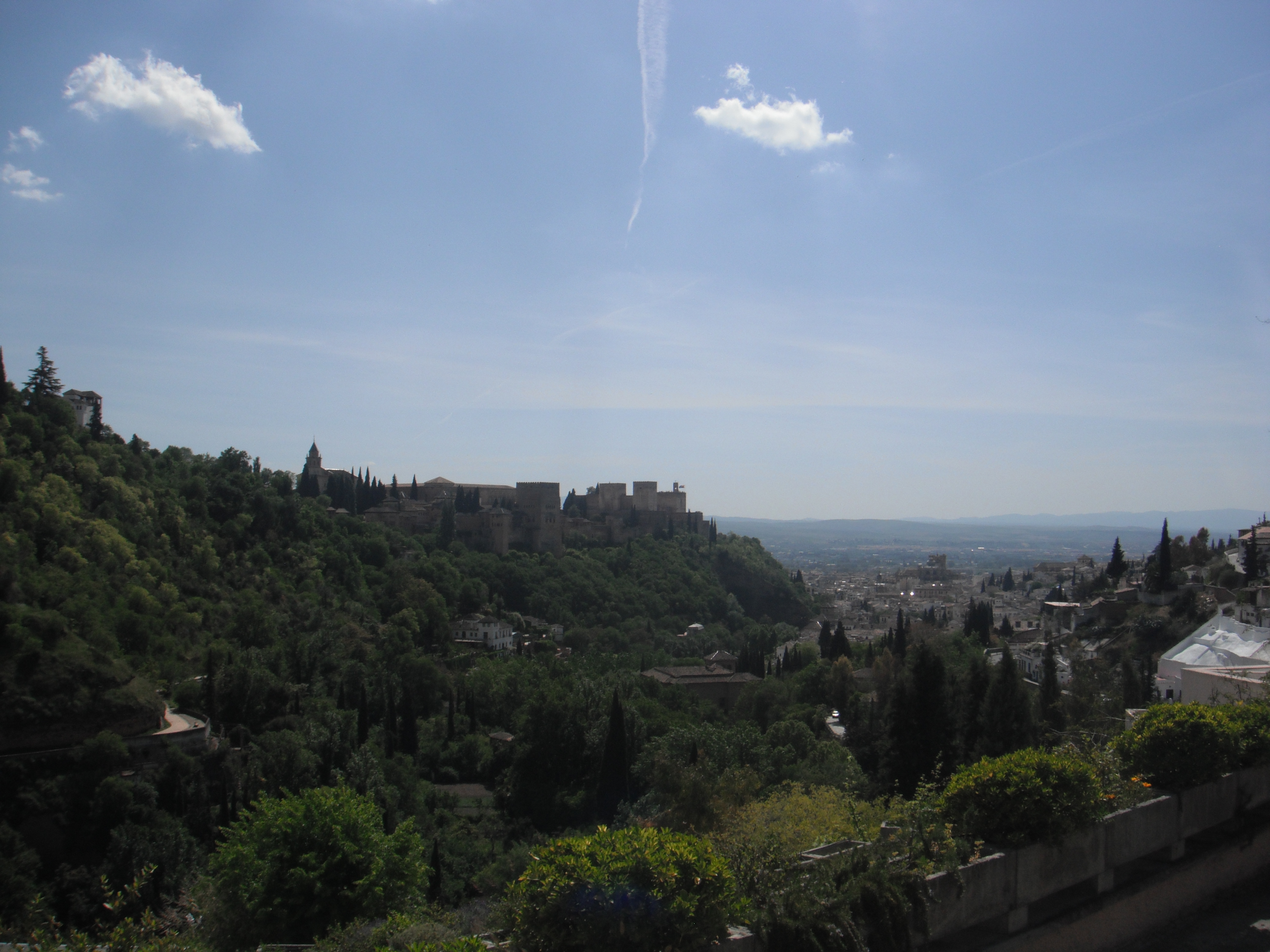
 and were not permitted to live in the city with the Catholic citizens. Pushed out to the borders of Granada, they made ingenious use of the natural landscape—found in a semi-desert microclimate—digging caves into the hilly earth that became their homes and workshops, shielding them from the heat and costing very little to build. The Roma population continues to live in the caves in what has become a thriving neighbourhood. Many of the caves have been modernized, though some people still live in very rustic dwellings. Rob’s mum and I visited a fascinating little museum that exhibited some of the traditional caves, where we also learned that the Roma people and their music and dance traditions were key in the birth of Flamenco.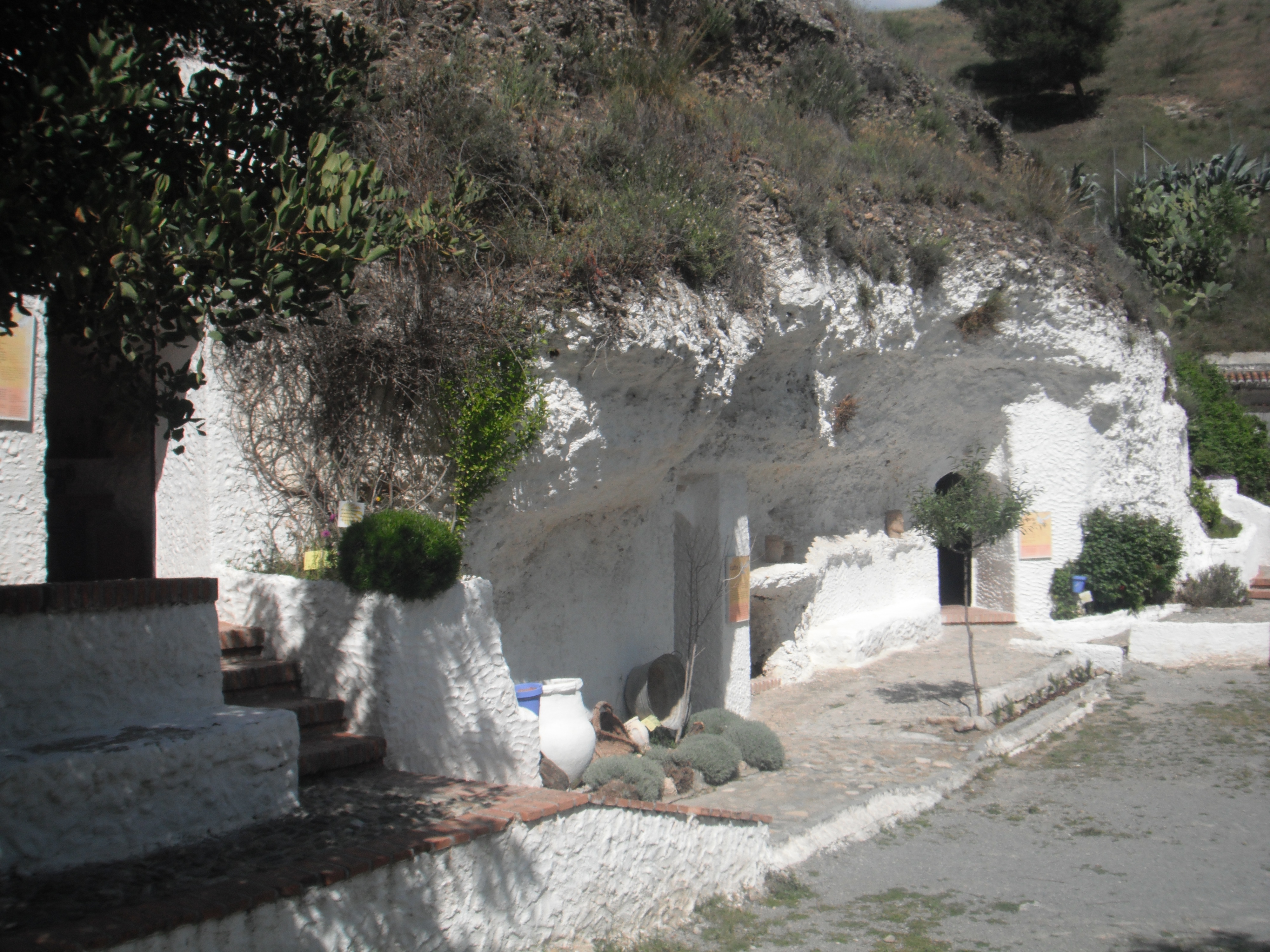
 but they decided to reconstruct almost everything under the pretext that the building was in much need of repair. However, they did keep the original Moorish minaret, converting it into a bell-tower—and christened La Giralda—and the courtyard of orange trees, interspersed with fountains and irrigation channels. Local legend claims that the members of the cathedral who decided to rebuild in a purely Christian style said, “Let us build a church so beautiful and so grand that those who see it finished will think us mad.”
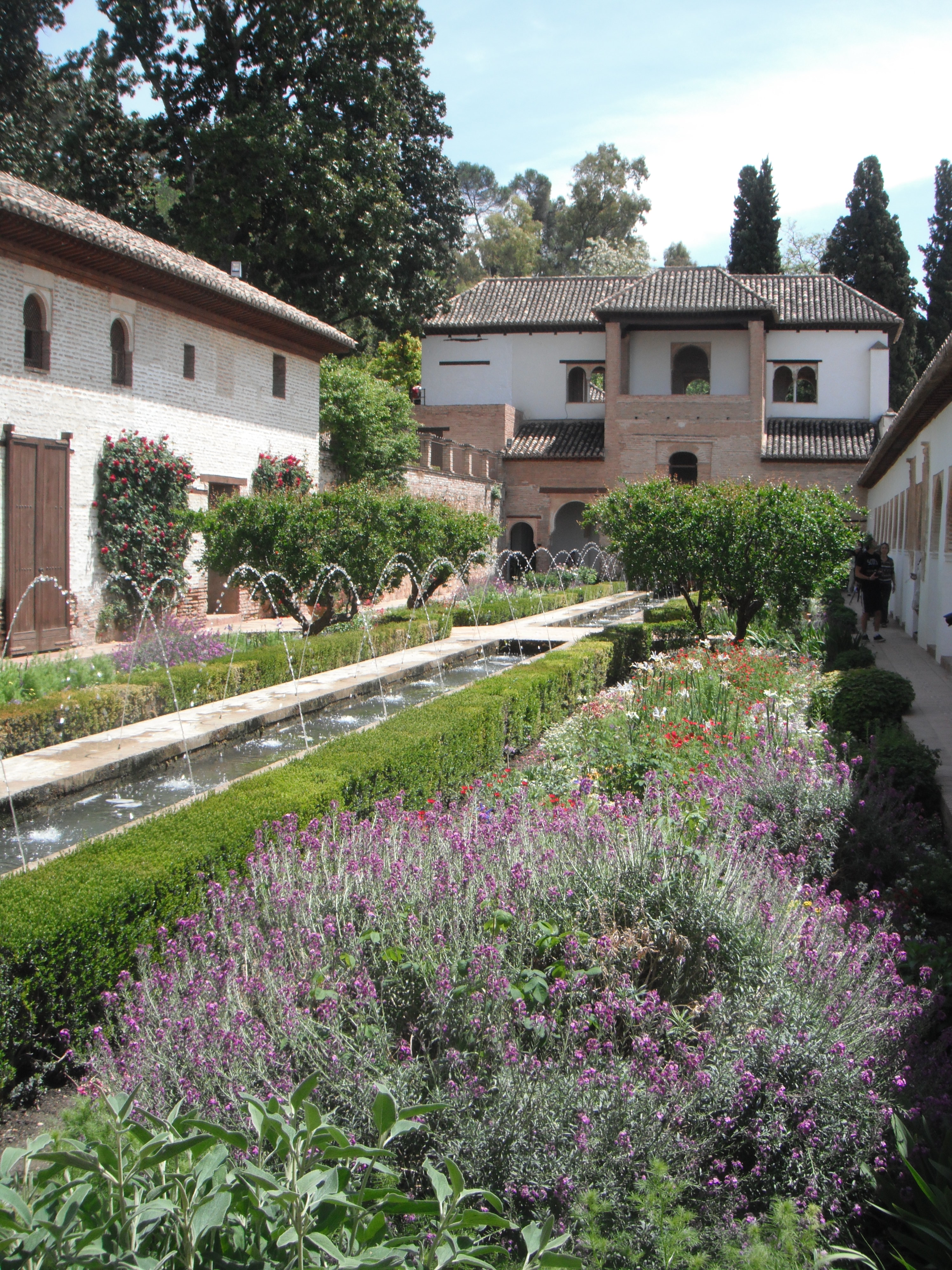
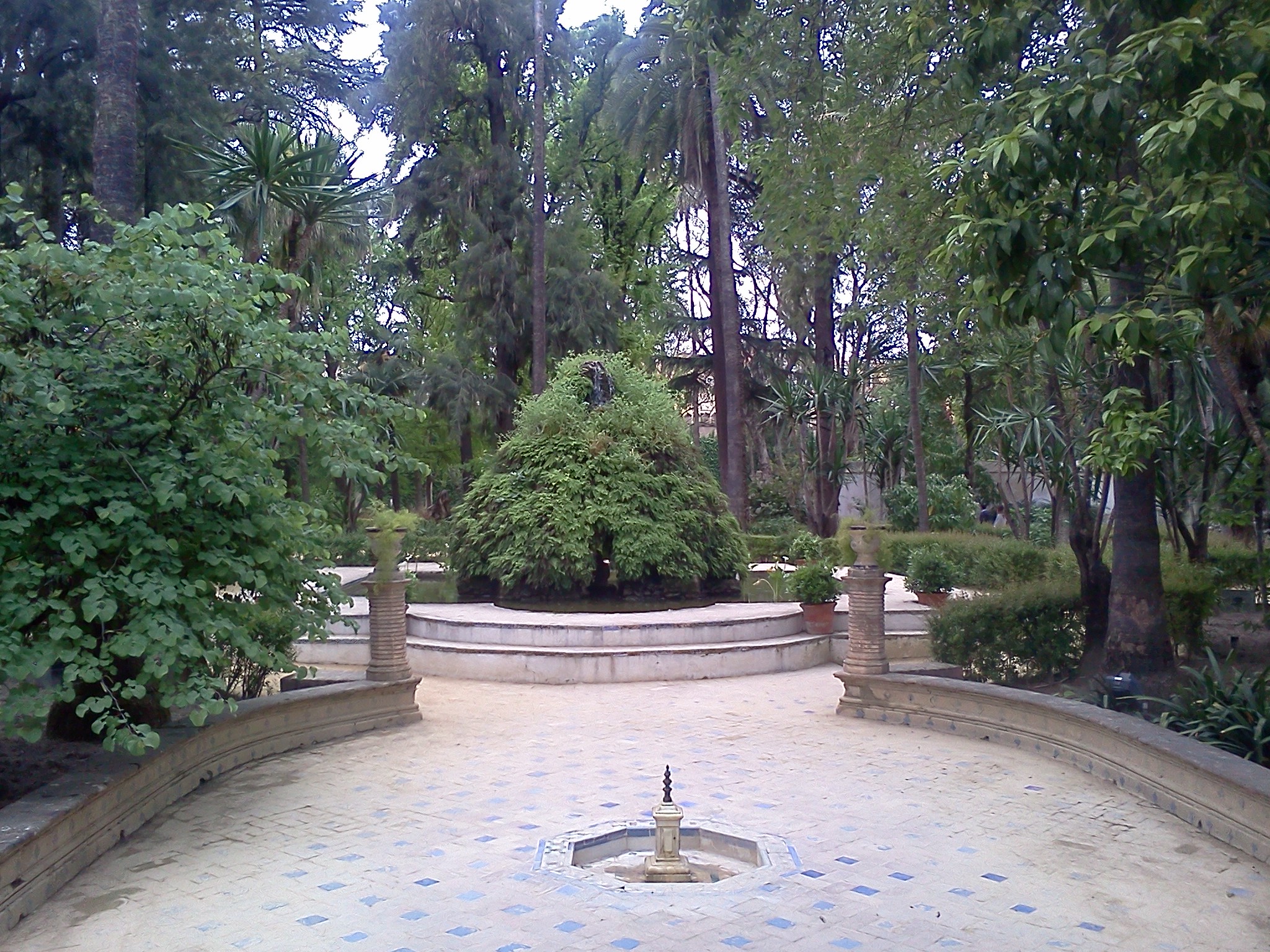
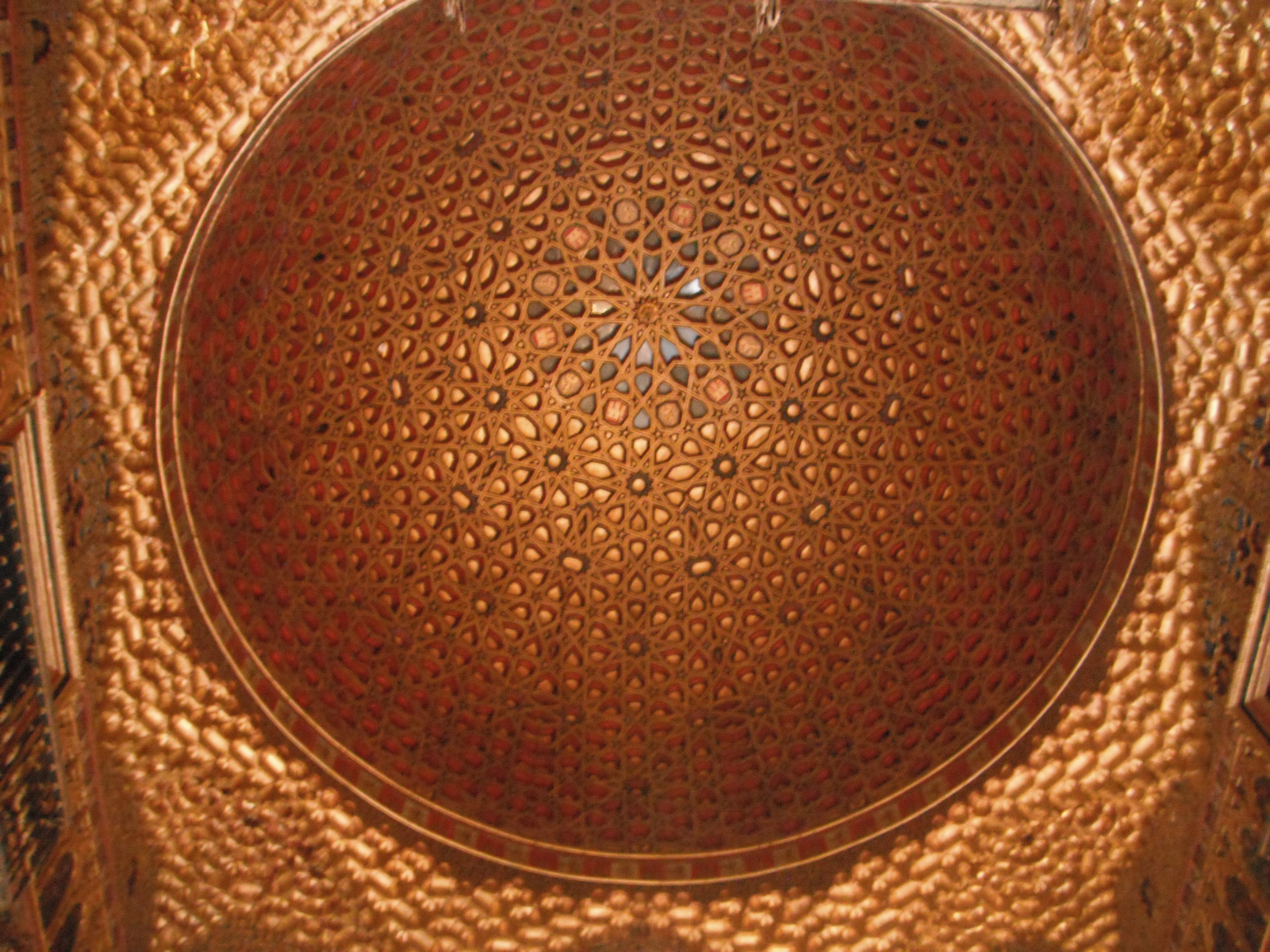
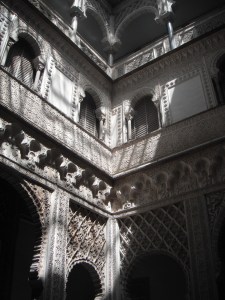 of camera-clad tourists do today. The modern day Spanish royal family still uses certain floors of the Alcázar, making it Europe’s oldest royal palace still in use. The entire site lies concealed from the rest of the city by a large wall which encircles the network of palaces and gardens. They too were once a Moorish stronghold, and much of the Muslim love of geometric shapes, tile-work and water features remain. The Christians constructed another palace in the mid-1300s, and added to existing ones, so certain sections of the Alcázar are almost entirely Gothic, and the gardens are arranged in different cultural styles, ranging from traditional to modern (including a small labyrinth which I thoroughly enjoyed wandering through).
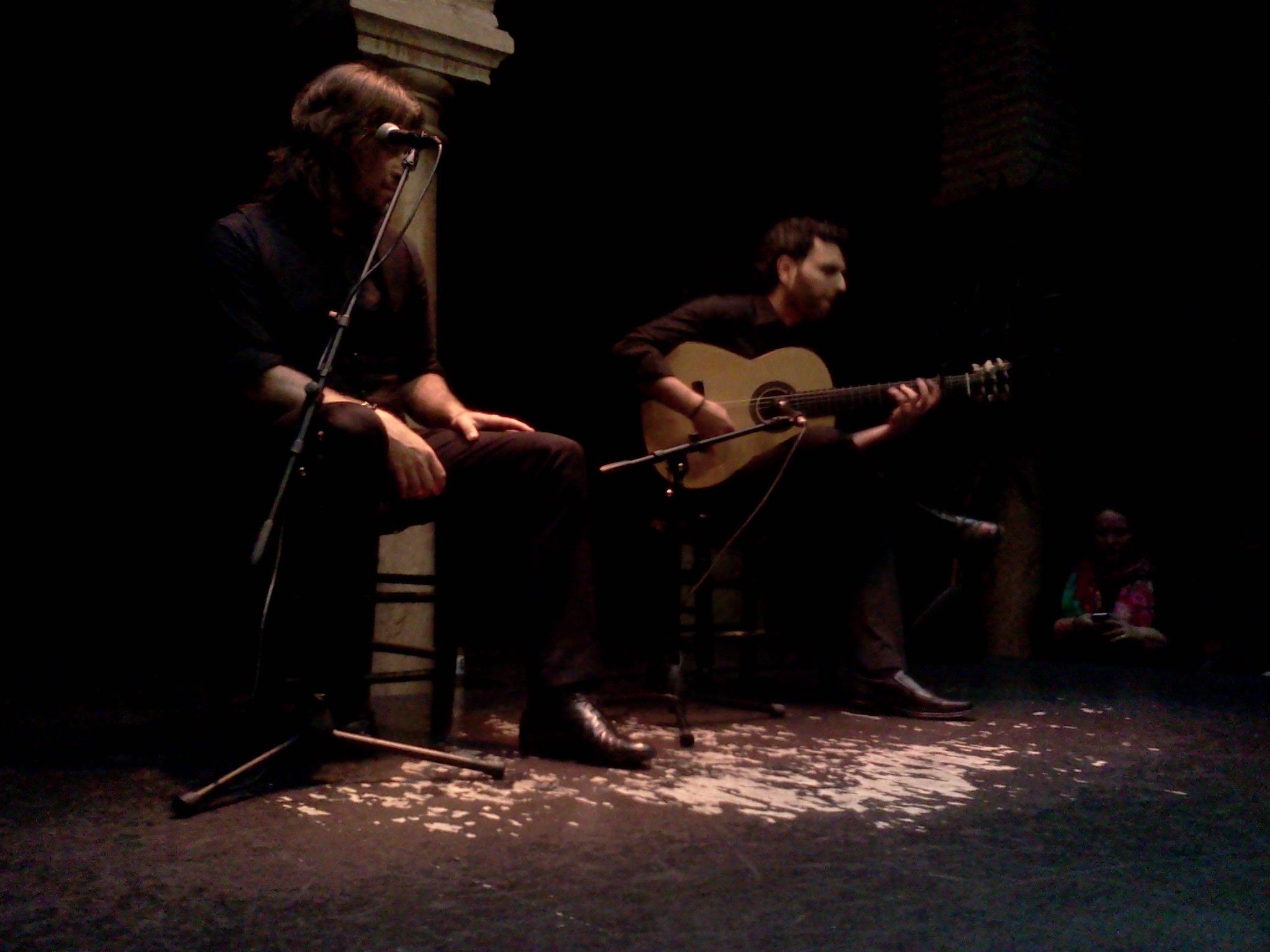
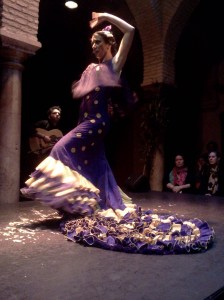 strings with amazing dexterity. The singer’s voice was rich and gritty, and his long hair and expressive face added to the atmospheric story conjured by his song. Both the female and male flamenco dancers pounded the stage, or tablao, with their high-heeled shoes and twirled, paused and clapped with such passion that you could not help but feel its effect, causing nearly overwhelming surges of emotion to bubble up in the chest at times. Its moving intensity surprised us all.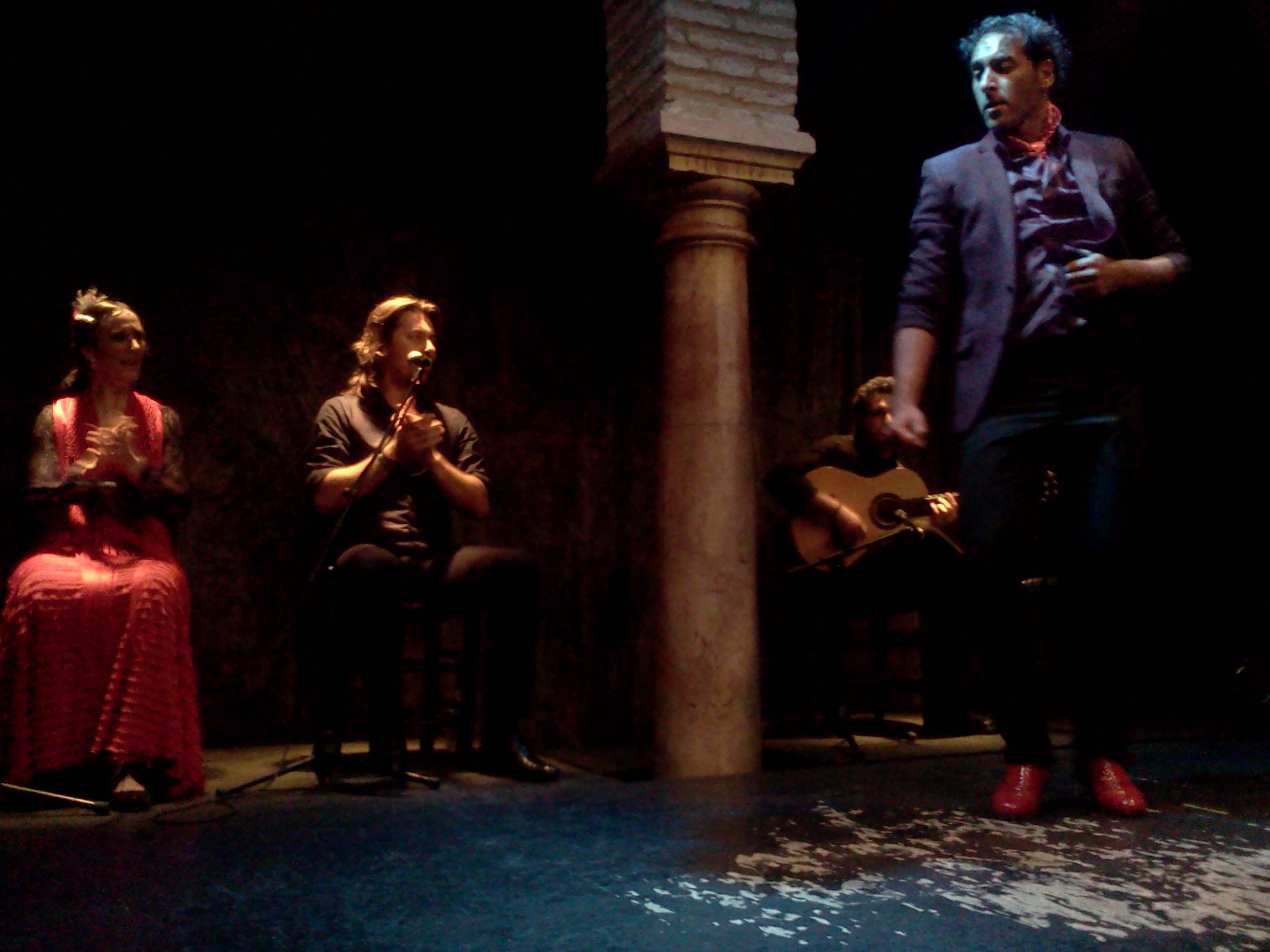
 Tegan Bethune