I have been living in Spain for over nine months now, and I was beginning to feel a bit sheepish when people asked me if I had been to Madrid and I kept answering no. Well, at last I can say yes, and have much to say about it to boot!
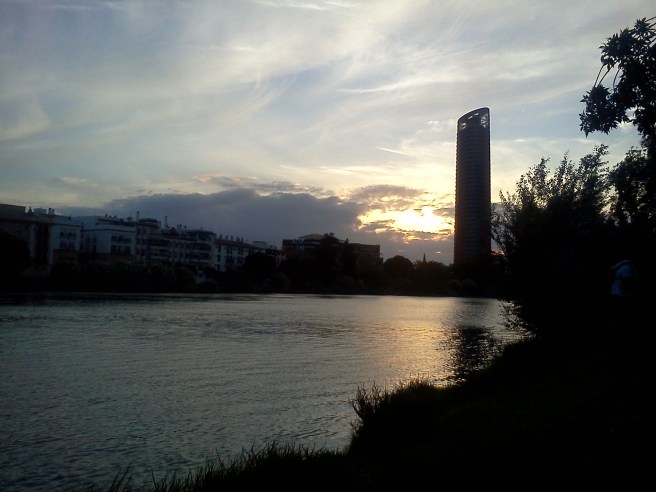
Before delving into it, however, let me mention that when Robin and I were choosing a place to live in Spain, he initially suggested Madrid, because the Madrileños (people of Madrid) speak in a clear “Castilian” accent. Also, there is definitely an allure to living in a country’s capital city. But I was keen to live somewhere smaller, and ultimately we both chose Sevilla for a variety of reasons (tapas, flamenco, affordability, Moorish influence, etc). But I must admit that, somewhere between my not-so-thorough investigations into Spain and a friend’s disappointment with Madrid, I somehow got the impression that it was a rather cold city—big, grey, a little dangerous, somewhat sterile-looking. Well, I can now say that I was entirely wrong. Madrid is a mighty cool city indeed, and I had a wonderful time there.
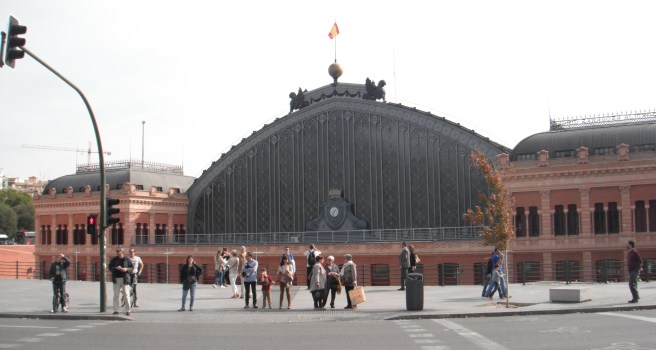
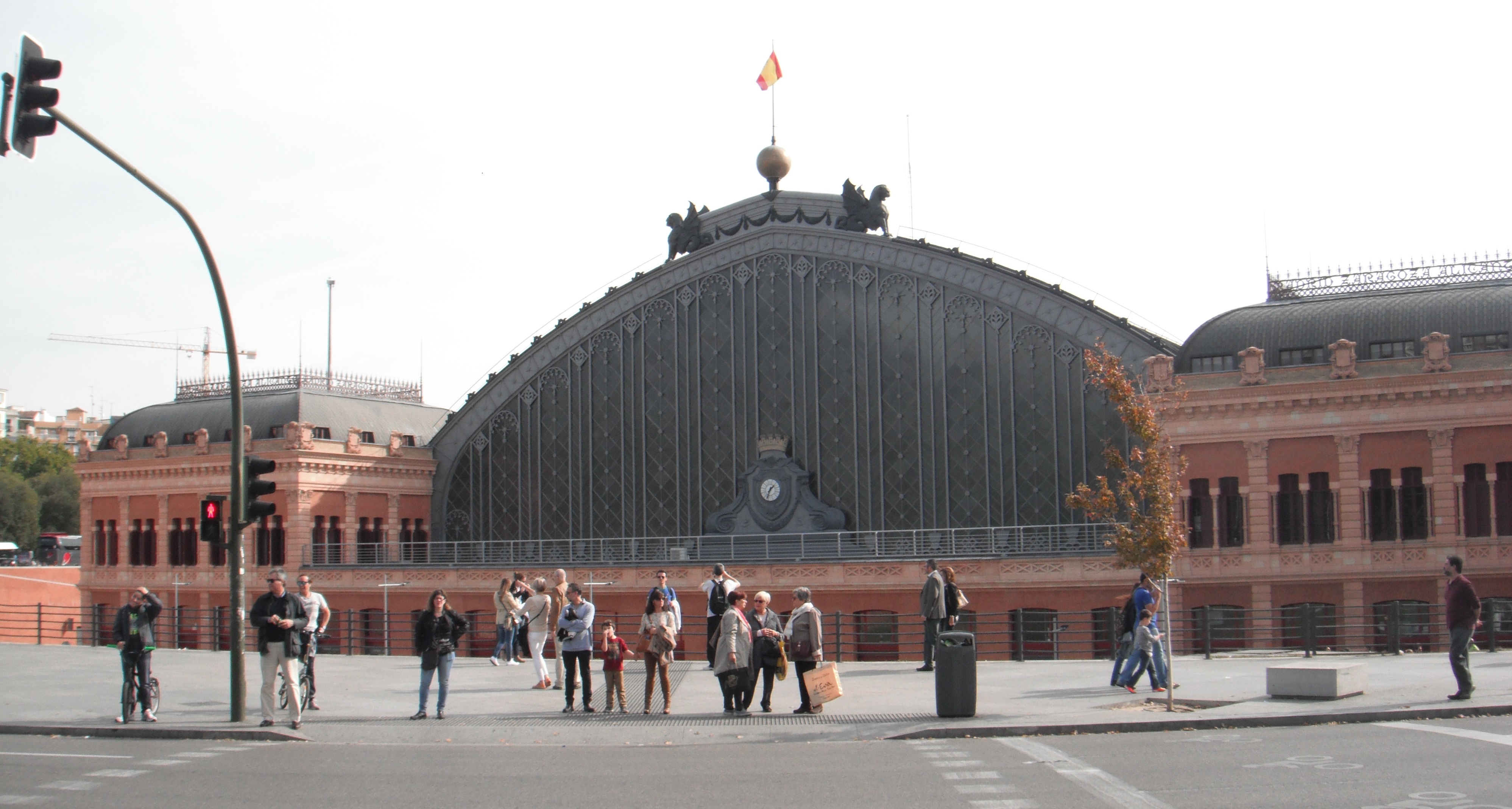
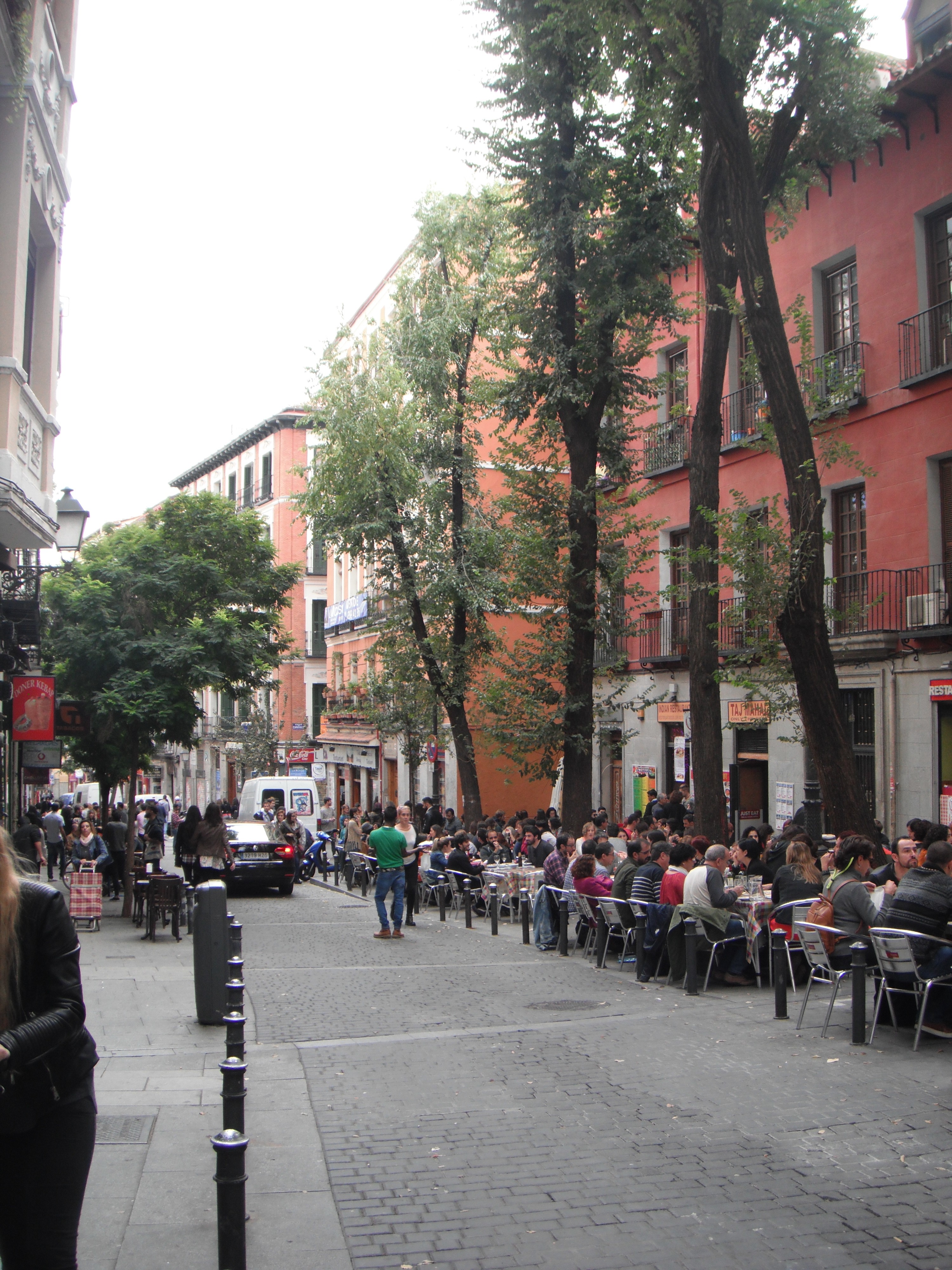
We arrived late at night by train, greeted by a brisker temperature than that we were used to, as we made our way out of the main station, Atocha. The impressive railway station was the first thing to catch my eye, and the fact that the buildings were taller than in Seville, the streets wider, and the architecture in general more like other western European cities I have been to (no Roman and/or Arab features on Catholic cathedrals, for example). Though lacking in Andalucía’s unique style, the next day’s explorations revealed Madrid to abound in its own charm: stately and 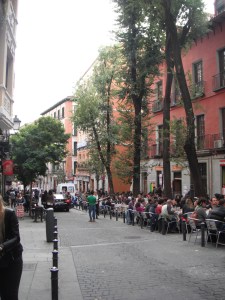 elegant, yet full of quirky twists and turns, and a bustling blend of different neighbourhoods all within walking distance. Madrid is a hilly city too, which is something I really appreciate. Hills add mystery to a place; you never know what will appear over the crest, and downhill curves fill me with eagerness to find out what lies around the bend. The neighbourhood of Lavapiés was particularly charming in this regard, made up of many sloping cobble streets, all peppered with restaurants and bars and al fresco dining.
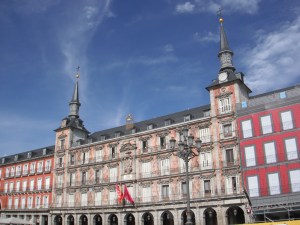
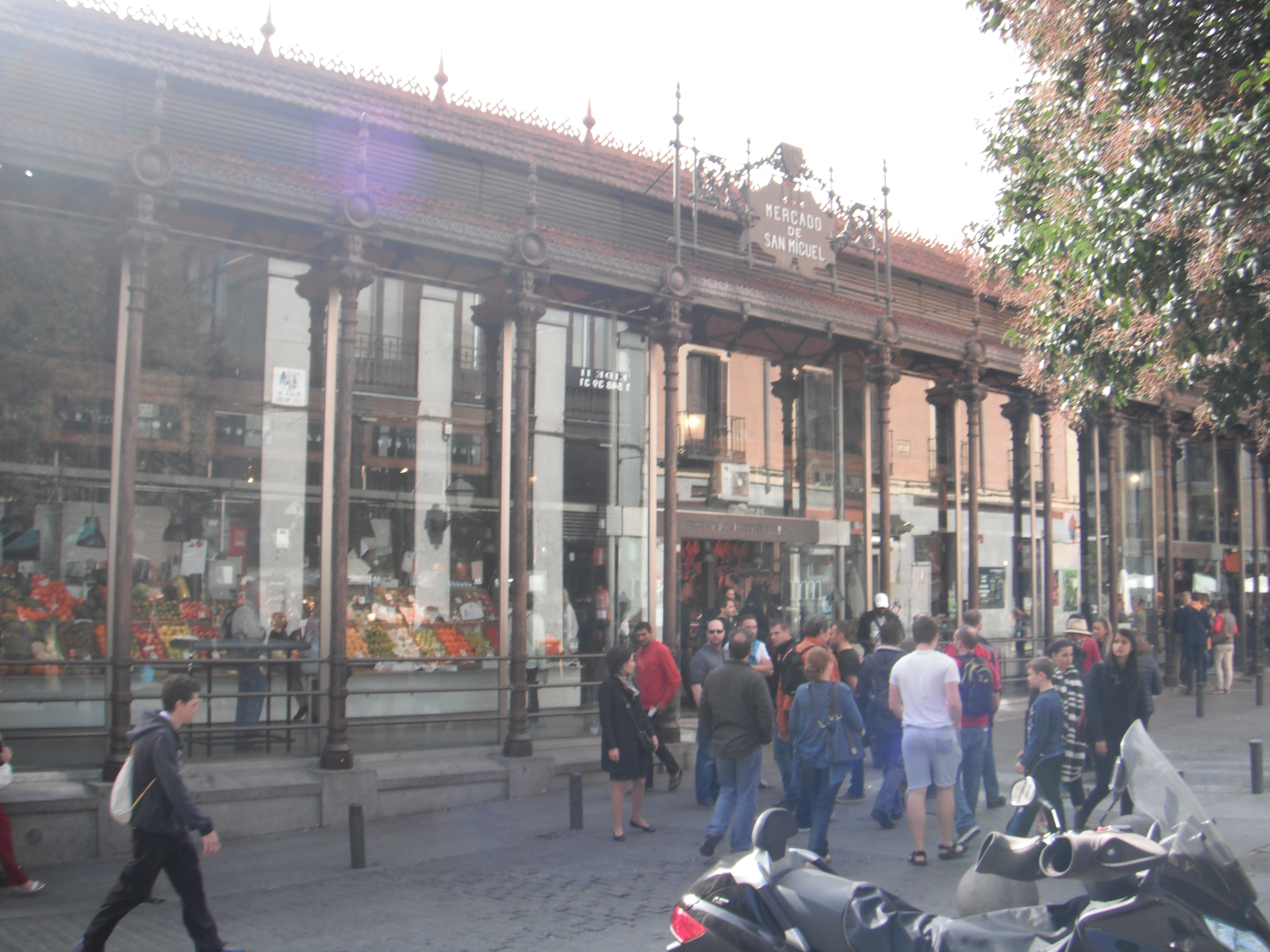
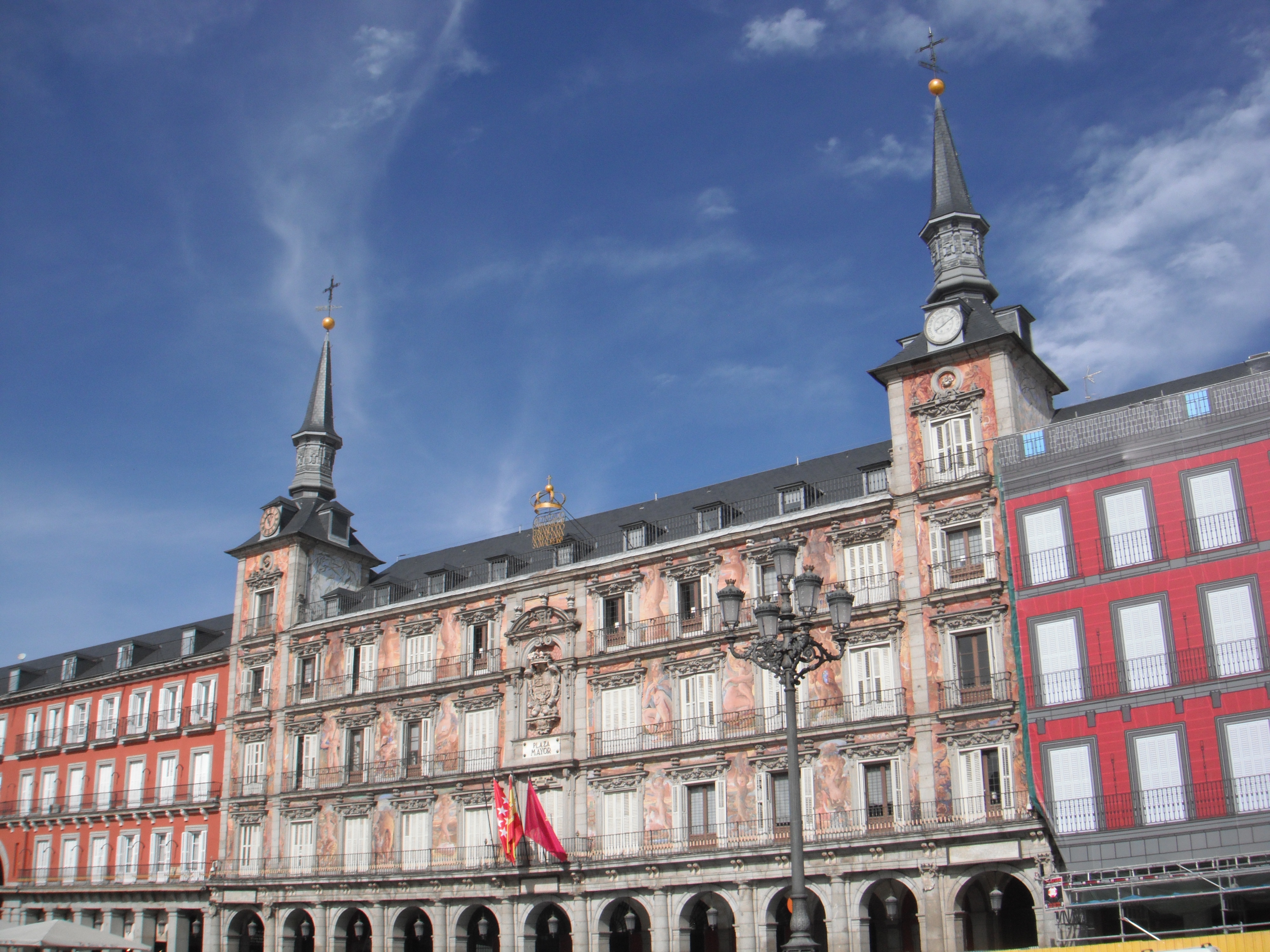
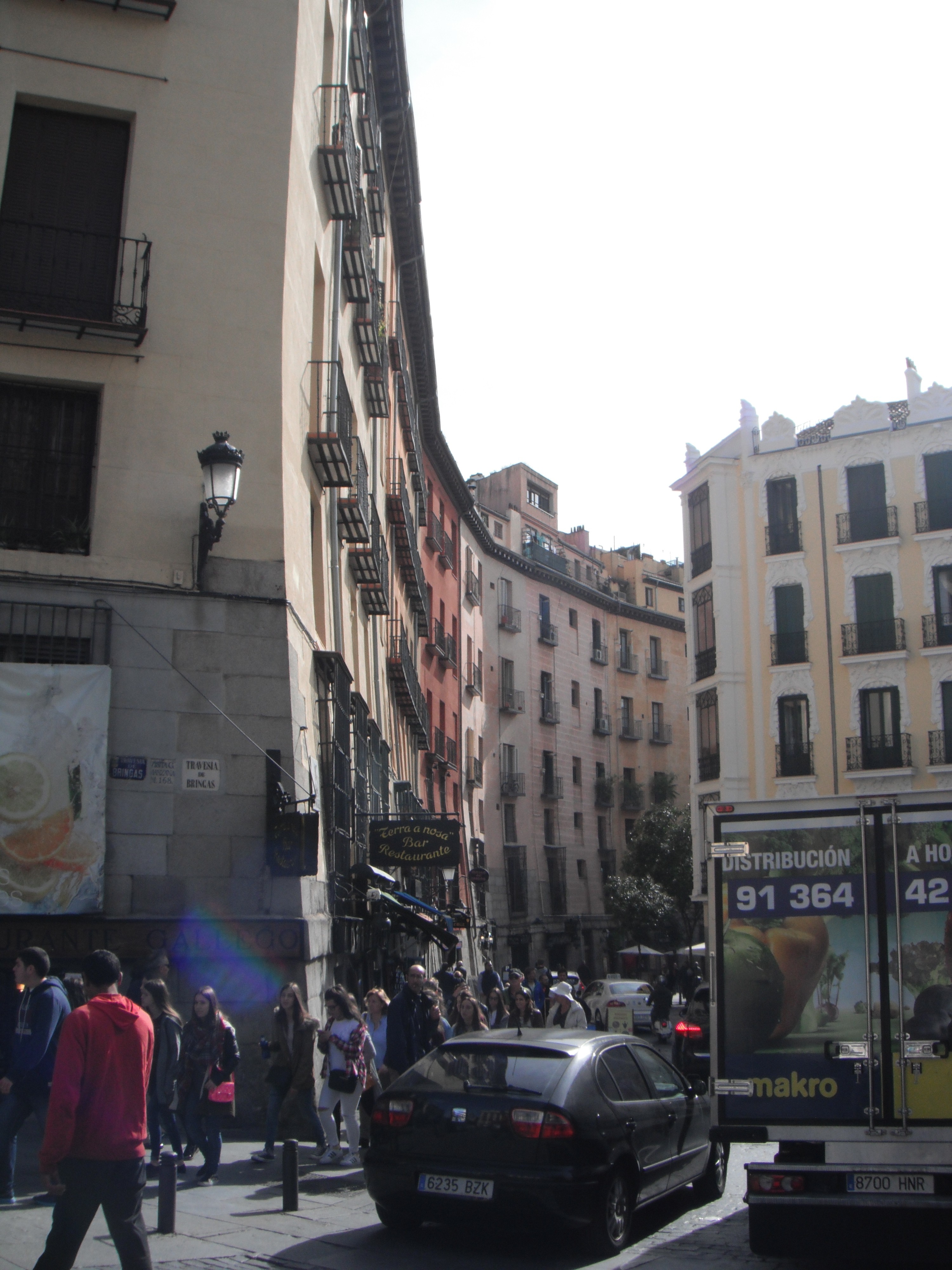
Malasaña also proved a lovely neighbourhood to wander through, with a central pedestrian street and several bright plazas in which to have lunch and an afternoon brew. The city centro had much to offer as well, including the grand Plaza Mayor and one particularly appealing hilltop plaza with a lovely food market, a sun-bathed patio, and a downhill crescent street where the very building-fronts seemed to relax backward against the structures behind them, gently concave like a person leaning on a wall.
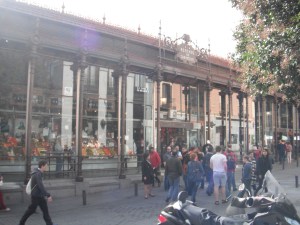
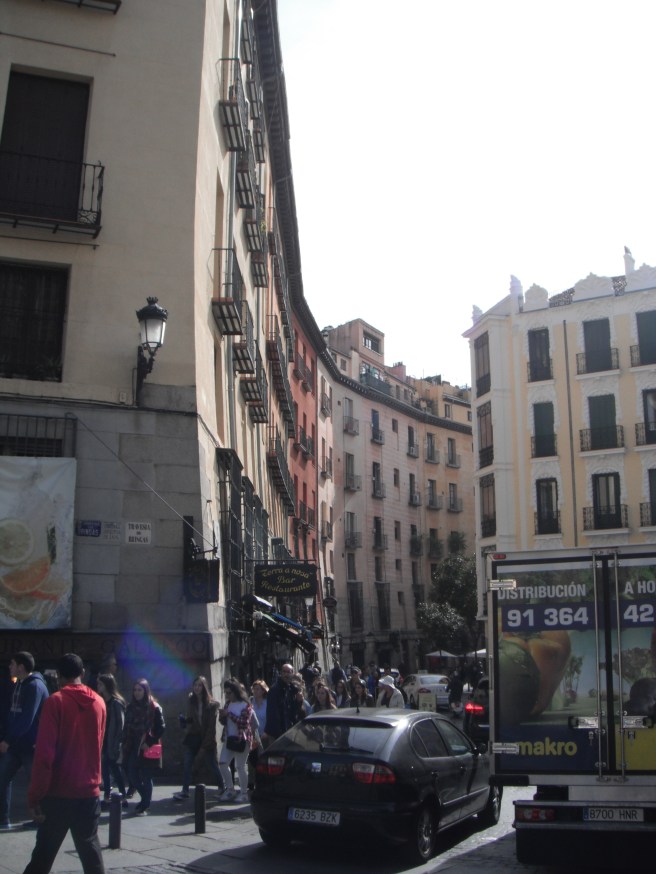
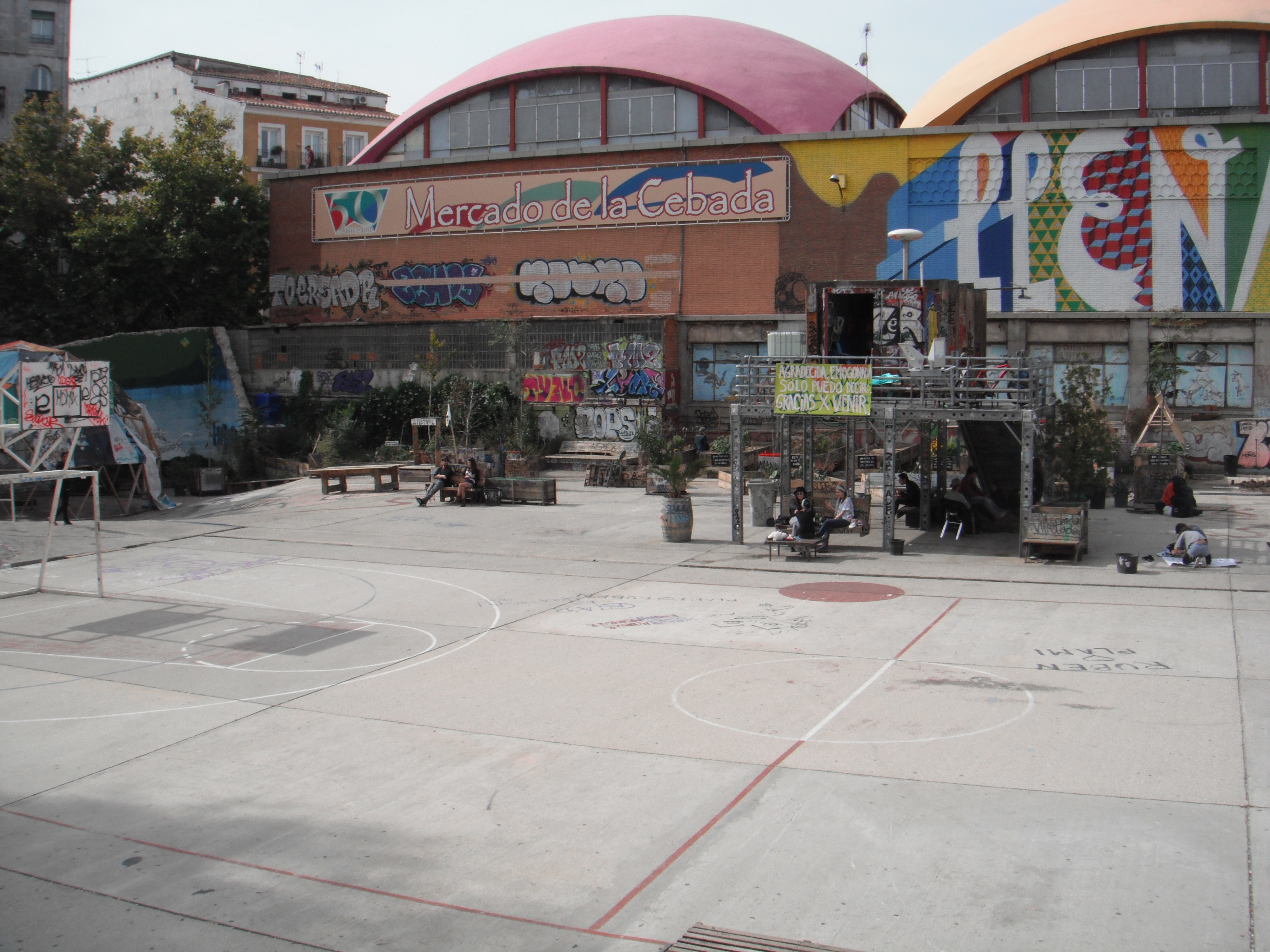
The area of la Latina was little lower in stature and narrower of street, and most of the roads were lined with cosy looking restaurants and bars. The lanes then opened up into a plaza, in the middle of which there was a sunken concrete park walled in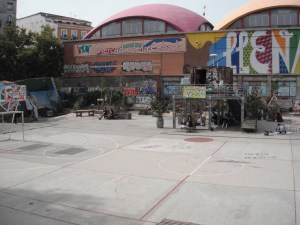 by plywood, which reminded us a lot of Berlin in its funky use of (what I assumed to be) a once-industrial urban space. As one might imagine, the people of Madrid also varied greatly in style and aspect, a pleasantly colourful reminder that central and northern Spain are generally less traditional than the southern regions of the country.
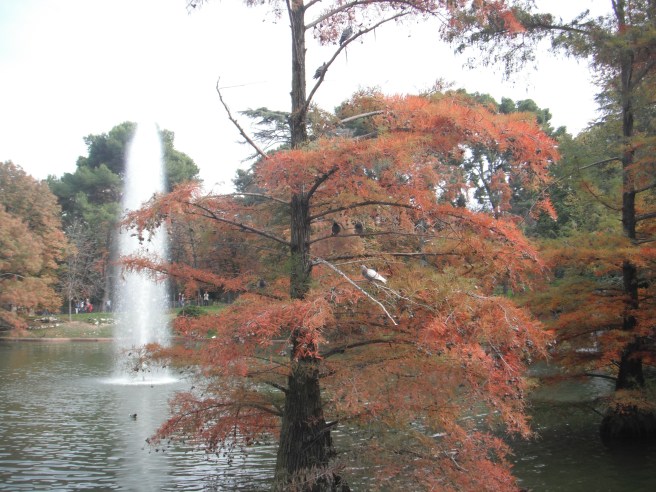
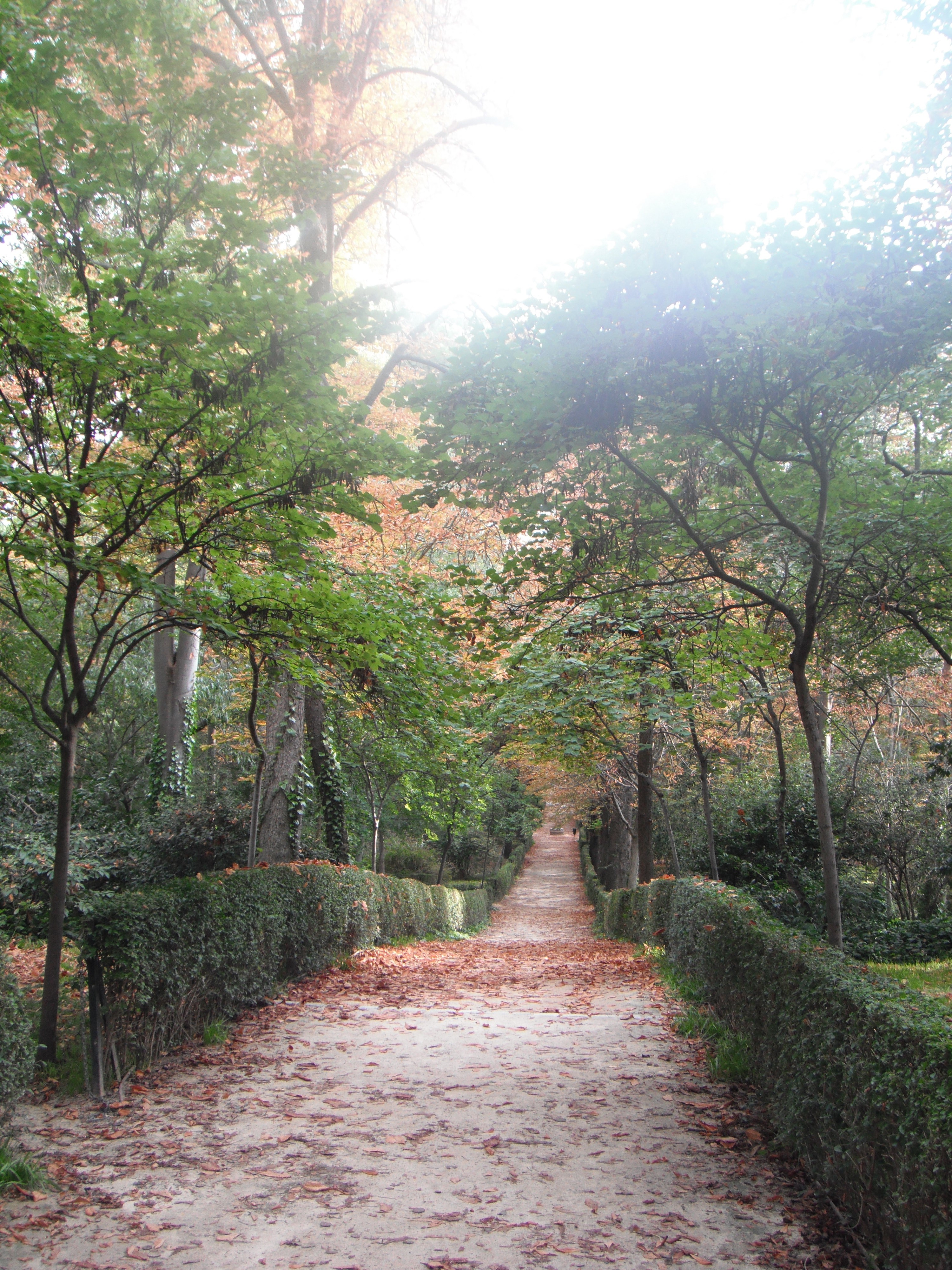
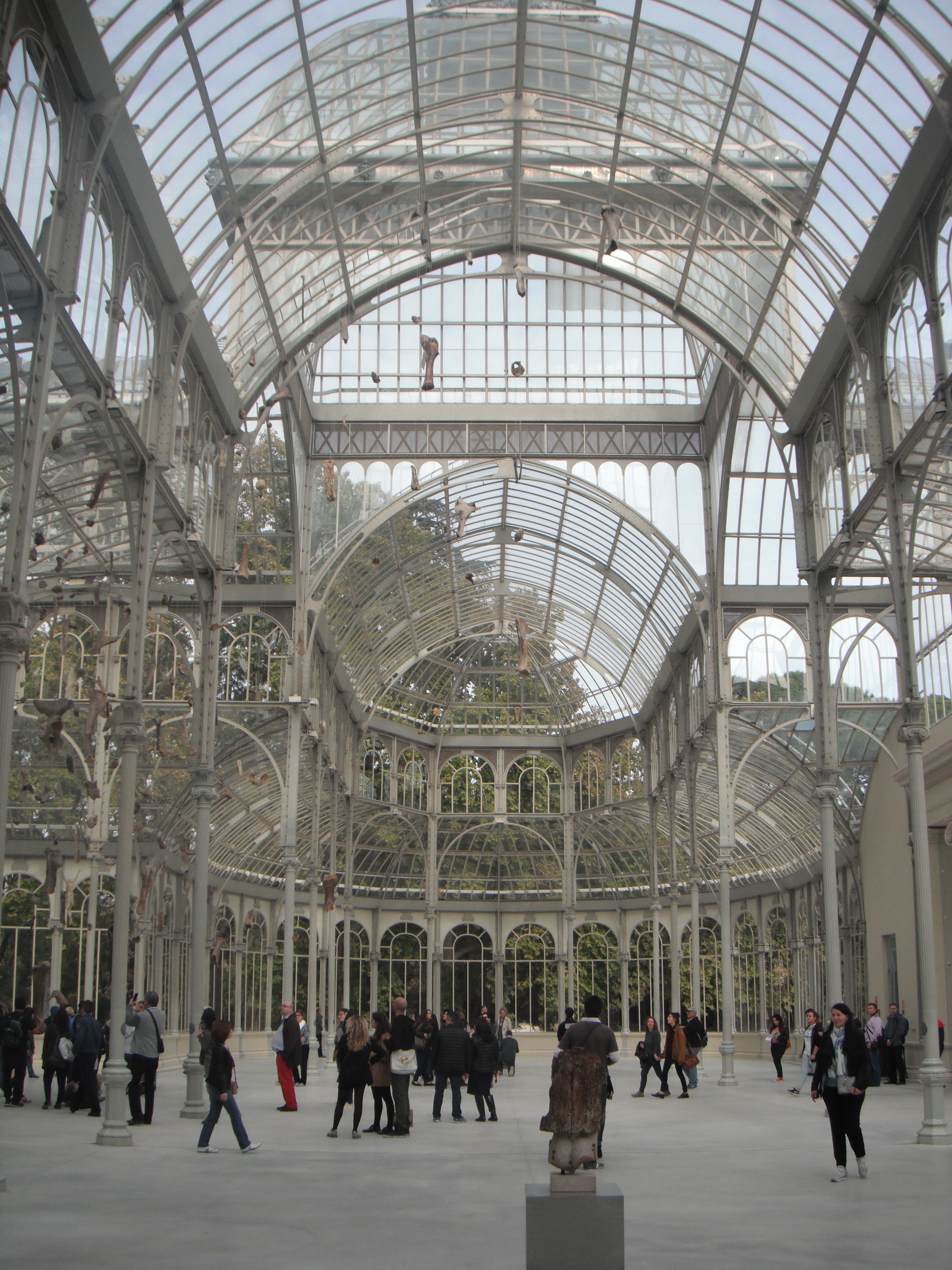
Another impressive part of Madrid, not be overlooked, was el Retiro, the large park near the central train station, which my Spanish teacher described as “the lung of the city”. The word retiro in this context means retreat, hideaway, or refuge, all of which suit the enormous space very well, especially for someone like me, who, although fascinated by cities, needs to get away from that hustle and bustle regularly in order to connect with nature. Perhaps spoiled by having grown up with the forested mountain and rugged west coast shore at a stone’s throw from my 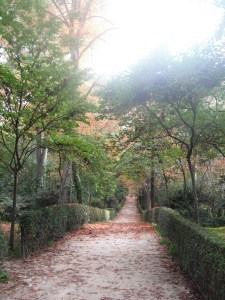 house, I do not find a manicured park as recharging as the untamed wild, but it definitely makes a huge positive difference to the atmosphere of a city, and wandering through el Retiro was a highlight. We enjoyed witnessing it in all its autumnal glory, alight with deep reds and oranges. We also saw several interesting structures in the park, including el Palacio de Cristal, or glass palace, which was aptly named, looking like an elegant cross between a gigantic greenhouse and an atrium.

We ate well on our holiday too. Madrid is bit more expensive than Sevilla, but there is also a lot more variety, and because of that we did not actually end up eating many Spanish meals. Spain boasts an impressive cuisine to be sure, and we appreciate it, but having grown up either in or near the multicultural cities of Melbourne and Vancouver respectively, Rob and I do miss eating food from around the world. So while we did enjoy some Spanish dishes (the pimientos del padron—small green peppers fried in coarse salt—were particularly delicious), we also really enjoyed eating some Indian curries and pad Thai.
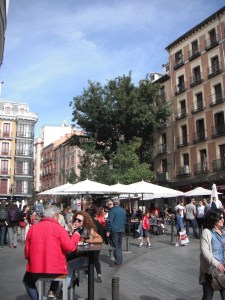 Besides eating, drinking, and exploring the lovely neighbourhoods of Madrid, we of course visited some of its famous galleries, including el Museo del Prado and el Museo Nacional Centro de Arte Reina Sofia. We wandered for hours through the enormous buildings, which boasted vast collections of the old and the new respectively. In the Prado, I particularly enjoyed the paintings by Goya, and in Reina Sofia, by Dali; I was also very impressed by the sight of Picasso’s Guernica in real life, which took up a whole wall of its own.
With three and a half days to discover Madrid, I certainly could have spent more time there, but I enjoyed myself fully and saw enough to be quite captivated by the city. Knowing what I now know, would I have thought differently when Rob suggested Madrid for our year away? Perhaps I would have, or at the very least I would have given it more serious consideration. But I remain happy with our choice to live in Sevilla. It really has offered us that “quintessential Spanishness” we were after. It still does, of course, though not for much longer; in three to four weeks we’ll be on the road again, heading north to finish up our year in Spain in the country’s verdant, uppermost provinces. Since we will probably fly or bus straight there, I am very grateful to have had the chance to visit Madrid this past week. It is a city I could most definitely visit again, with much to offer in terms of culture, a big “hideaway” park, and lots of intriguing, hilly neighbourhoods to wander.


 Tegan Bethune