The temperature slips below zero and the wind picks up. An east wind straight from the frozen belly of Russia, my Mormor tells me. The trees clap their branches beneath the grey clouds, which bloom and hurry in a brooding dance across the sky.
The scene is set. Costume on: coat buttoned, gloved hands plunged deeply into pockets, hat pulled down over the ears and hood thrown over the top. I am ready for a cold show beyond the protection of cosy windows and walls, as the front door slaps shut behind me. A chilly wisp of air gets in beneath the scarf. Pull the shoulders up towards the ears, turn the face westward, quicken the pace to get the blood flowing, and onward I plunge into the dark grey afternoon.
The Russian wind quickly drains the feeling from my fingers and toes and I look forward to an upcoming hill to raise my heart-rate. I plough up the slope and then decide to turn around and go back down so I can climb up it again. Reaching the crest for the second time, I can feel my digits once more and I know I will be fine as long as I keep moving. I pause only a moment to gaze around at the rolling fields and naked forests, and the thatched and terracotta rooftops dotting the Danish countryside, before striding onward.
Straight from a warm and balmy Spanish winter into the chilly, windswept breast of northern Europe. Spain’s winter has been one of the warmest in ages, and so has Denmark’s; but its “warm” winter still bites, and today the temperature has finally dropped to a more typical position for the season. It is certainly the coldest I have experienced since leaving Canada a year ago, but I haven’t let it stop me. I roam the paths that wind through bare, open forests and walk by glowing windows and twinkling white lights still up from Christmas. I even say hello to the sea, hiding from the forceful gusts beside a small shed, watching the powerful waves rush towards the shore in a ceaseless white wheel of foam.
Spain now feels far away indeed, but I know that when I board a plane at the end of the month for the long haul to Australia, I will partially be expecting to fly back to Sevilla. It will feel strange to leave Europe after nearly a year living and travelling here. There is so much diversity to explore on this relatively small continent, and within each country as well. The modest slice we have seen has already proved more than I’ve been able to keep up with on my blog, particularly during the last month of backpacking and Workawaying (volunteering in exchange for room and board) in northern Spain. I certainly cannot cover all those experiences in one blog post, though perhaps in this year’s writing I will revisit some of the beautiful towns, cities and landscapes that we travelled through in 2015.
What I will say now is that both Robin and I feel very grateful for our year living in Spain. We learned so much along the way—about other ways of life, about Spanish language, about each other and ourselves—and spent many lovely times with old and new friends. Our circumstances came with their set of challenges, as most circumstances do, but all in all we had so much fun. Looking back on 2015, we’ve also come to the satisfying realisation that we’ve accomplished something we both dreamed about for years. Living in Spain has given us more than many joyful memories; it has increased our confidence in our ability to make our dreams reality, and that is really something.
Now last year is over and a new one has begun. What will 2016 bring, and what will we make of it? As I roam the frosted paths of the small Danish town of Espergærde—the same paths I roamed many a time when this place was my home for a year, nearly a decade ago—I notice how the feet remember, carrying me this way and that without need for pause. My mind is free to wonder at the winter world around me, how it has changed and how it has stayed the same, and how the very fact that I know this place means I have made dreams happen before. I had a goal to live in Denmark, my mother’s homeland, to learn Danish and keep my dual citizenship, and I did that too. Why do I not stop to appreciate such things more often? Probably because I have a habit of jumping to the next goal as soon as one is finished, hardly noticing what I’ve done or taking a moment to enjoy it, running from the fear that what I do—who I am, even—is never enough.
Not today. I take a moment to thank myself for pursuing those wanderlust dreams. Not all of us have the need to travel, but for some, the outer journey is part of our inner journey. Happy 2016 to all, and happy travels, within and without!













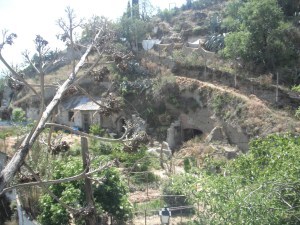 and were not permitted to live in the city with the Catholic citizens. Pushed out to the borders of Granada, they made ingenious use of the natural landscape—found in a semi-desert microclimate—digging caves into the hilly earth that became their homes and workshops, shielding them from the heat and costing very little to build. The Roma population continues to live in the caves in what has become a thriving neighbourhood. Many of the caves have been modernized, though some people still live in very rustic dwellings. Rob’s mum and I visited a fascinating little museum that exhibited some of the traditional caves, where we also learned that the Roma people and their music and dance traditions were key in the birth of Flamenco.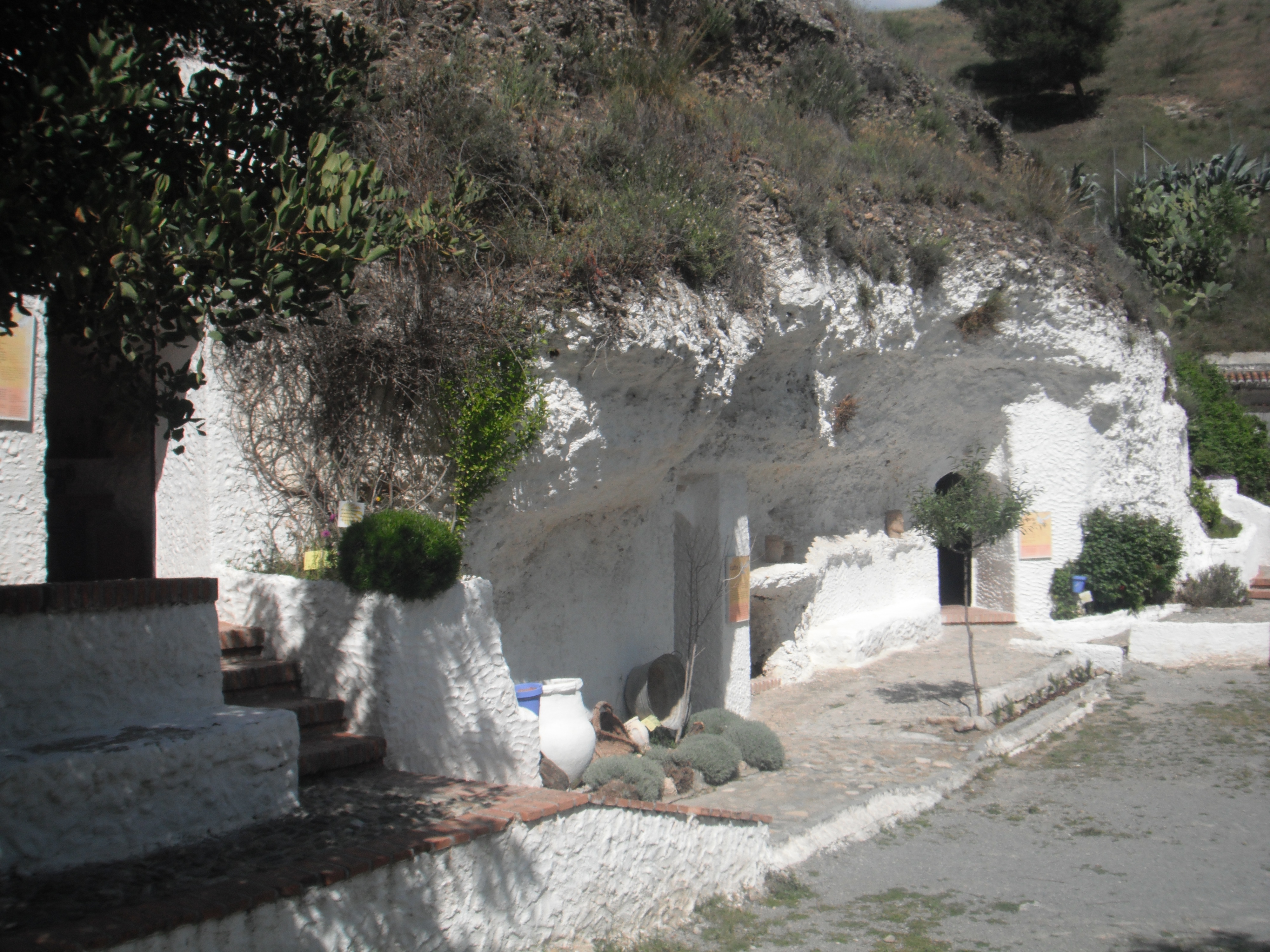
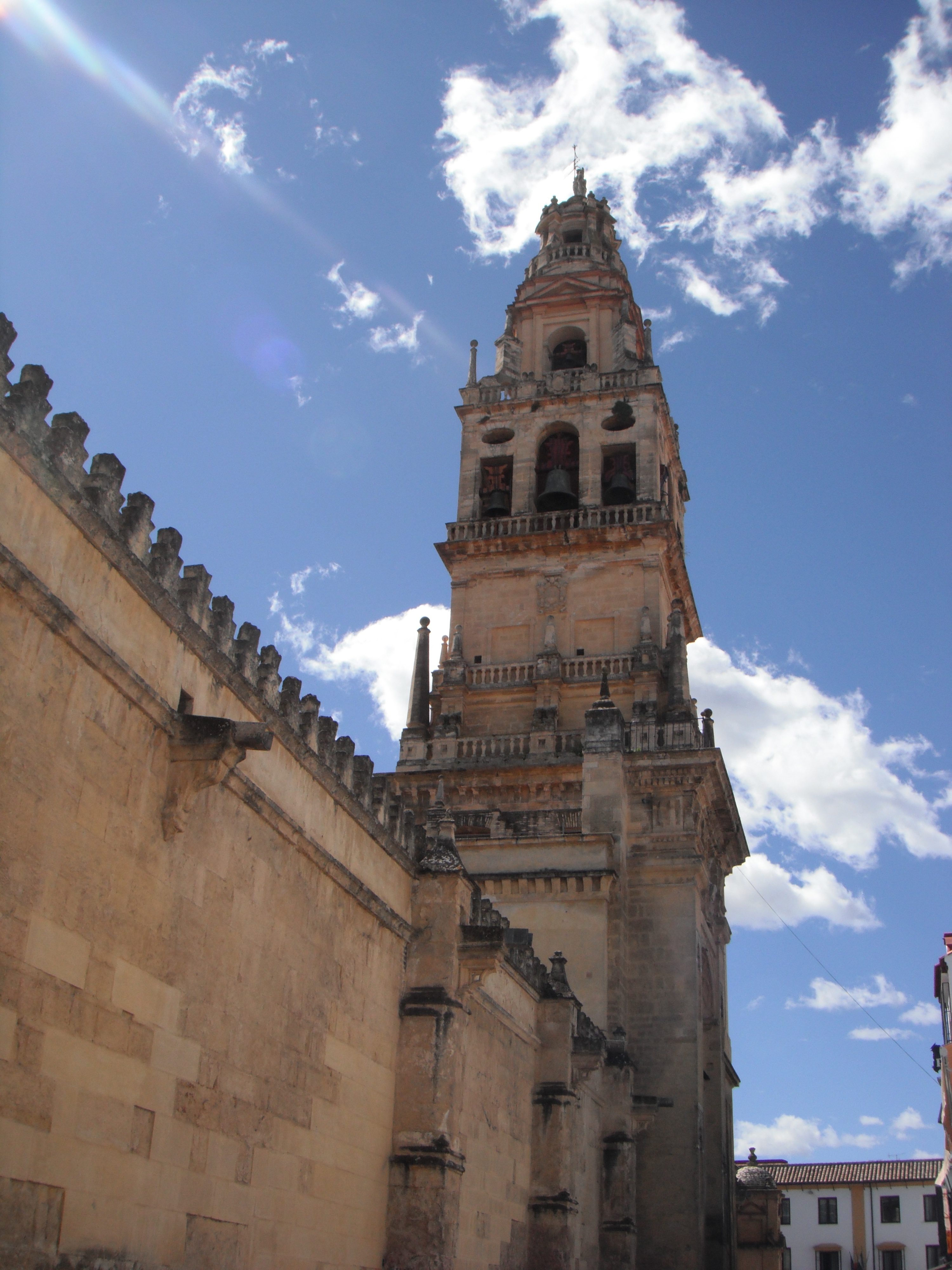
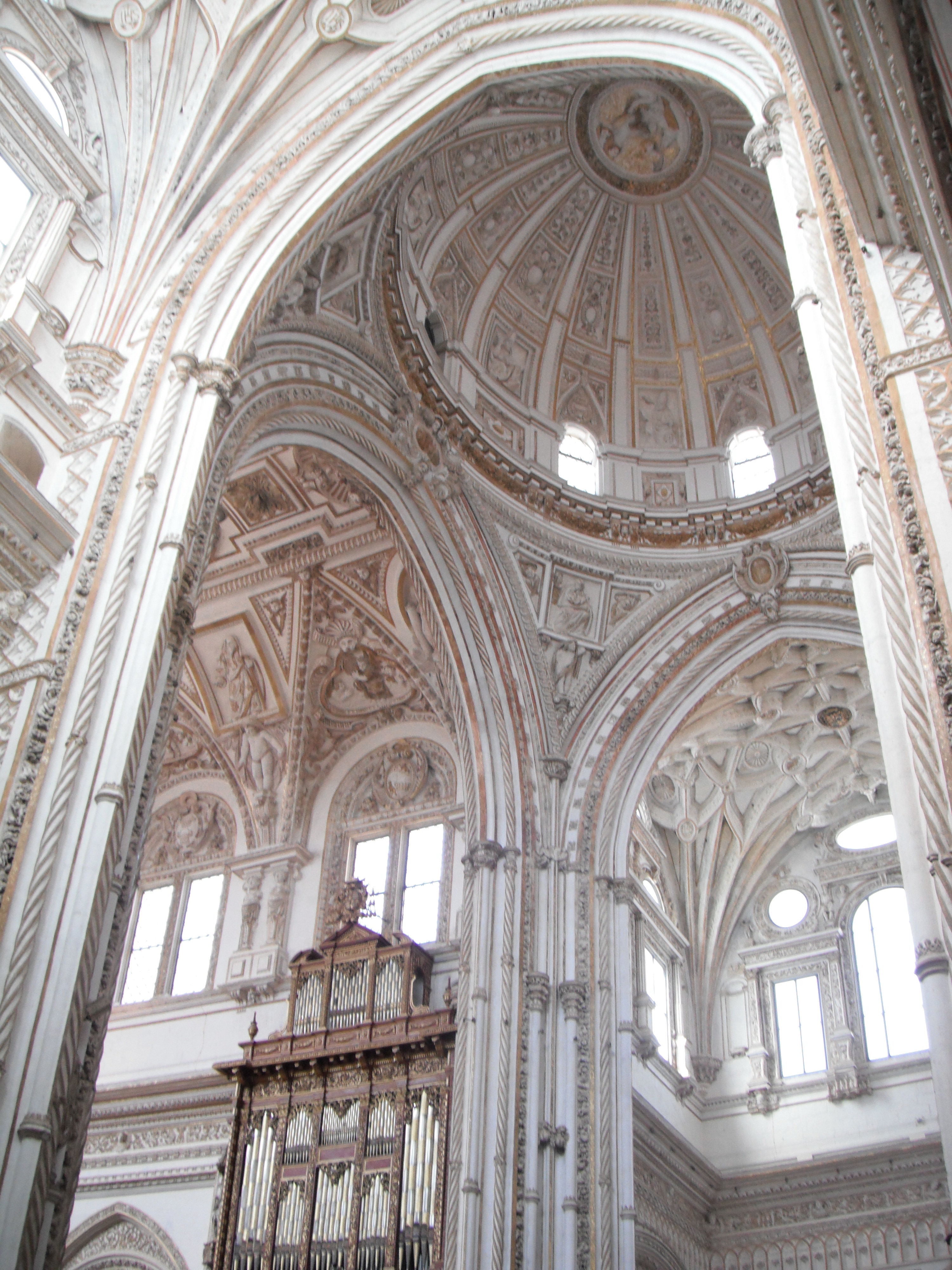
 but they decided to reconstruct almost everything under the pretext that the building was in much need of repair. However, they did keep the original Moorish minaret, converting it into a bell-tower—and christened La Giralda—and the courtyard of orange trees, interspersed with fountains and irrigation channels. Local legend claims that the members of the cathedral who decided to rebuild in a purely Christian style said, “Let us build a church so beautiful and so grand that those who see it finished will think us mad.”
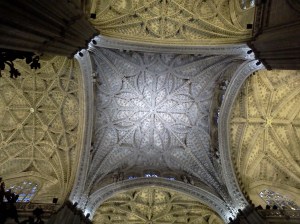
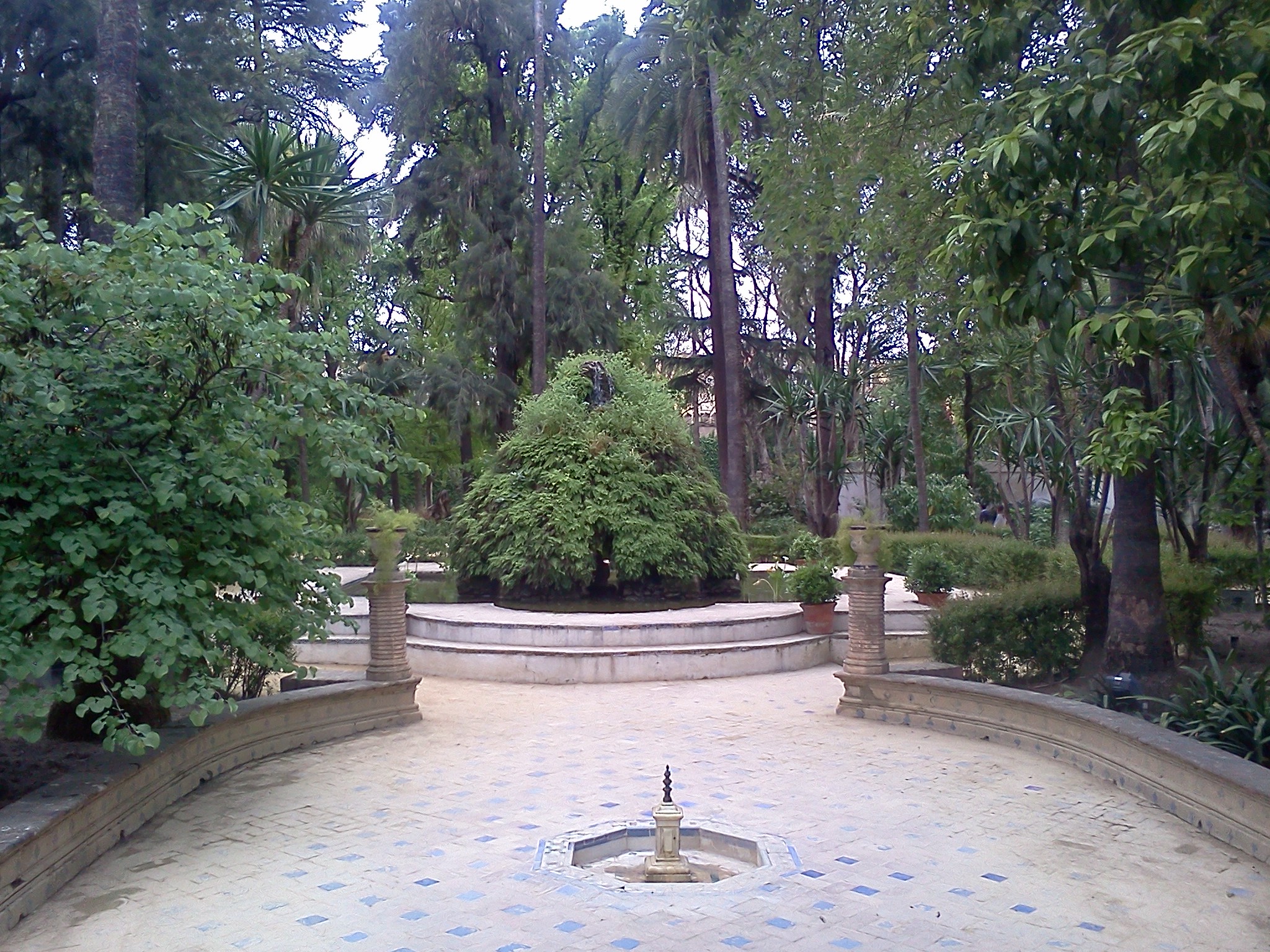
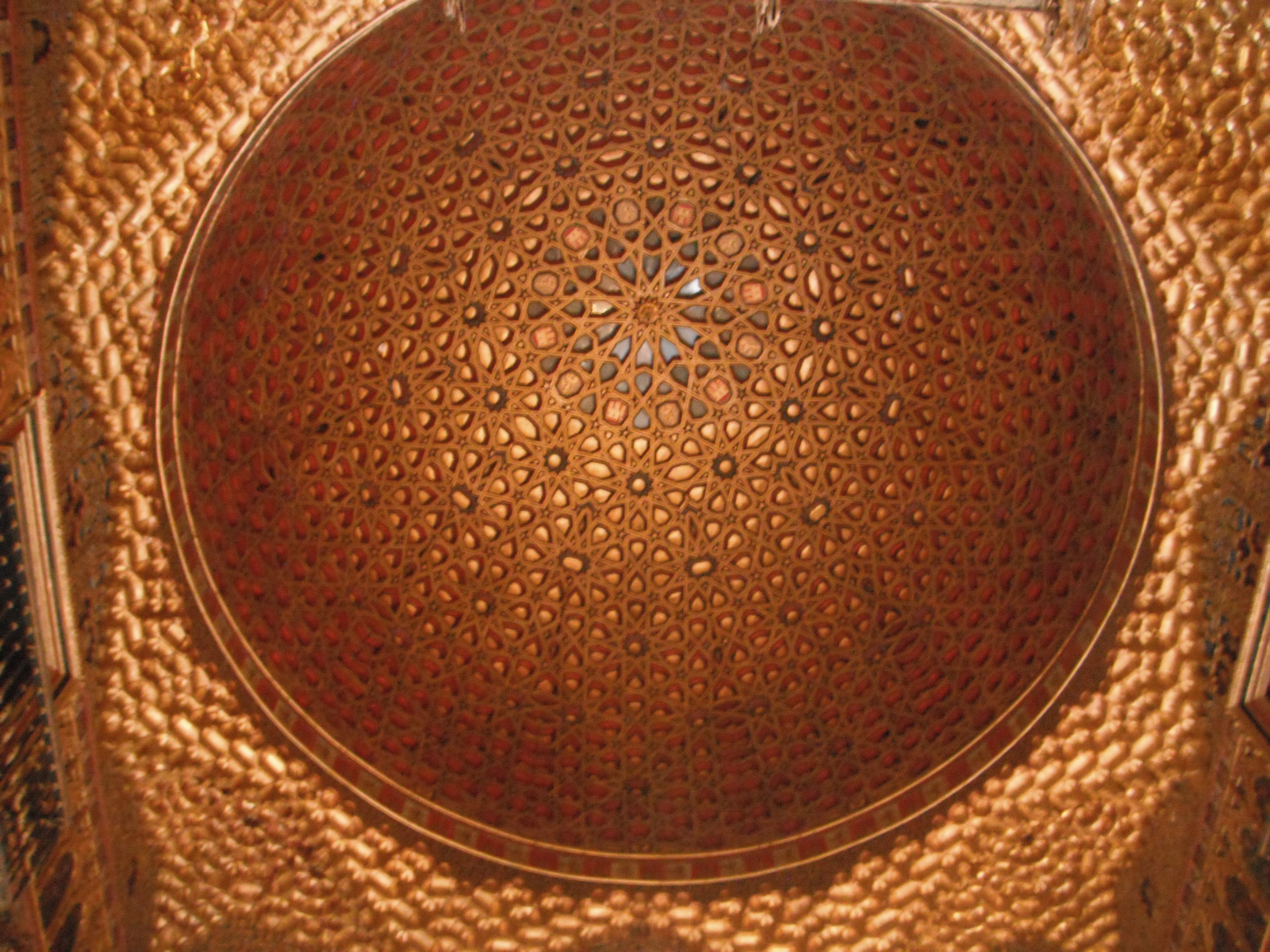
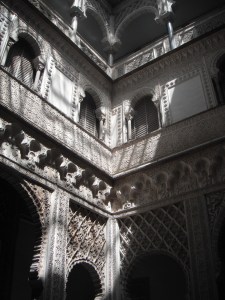 of camera-clad tourists do today. The modern day Spanish royal family still uses certain floors of the Alcázar, making it Europe’s oldest royal palace still in use. The entire site lies concealed from the rest of the city by a large wall which encircles the network of palaces and gardens. They too were once a Moorish stronghold, and much of the Muslim love of geometric shapes, tile-work and water features remain. The Christians constructed another palace in the mid-1300s, and added to existing ones, so certain sections of the Alcázar are almost entirely Gothic, and the gardens are arranged in different cultural styles, ranging from traditional to modern (including a small labyrinth which I thoroughly enjoyed wandering through).
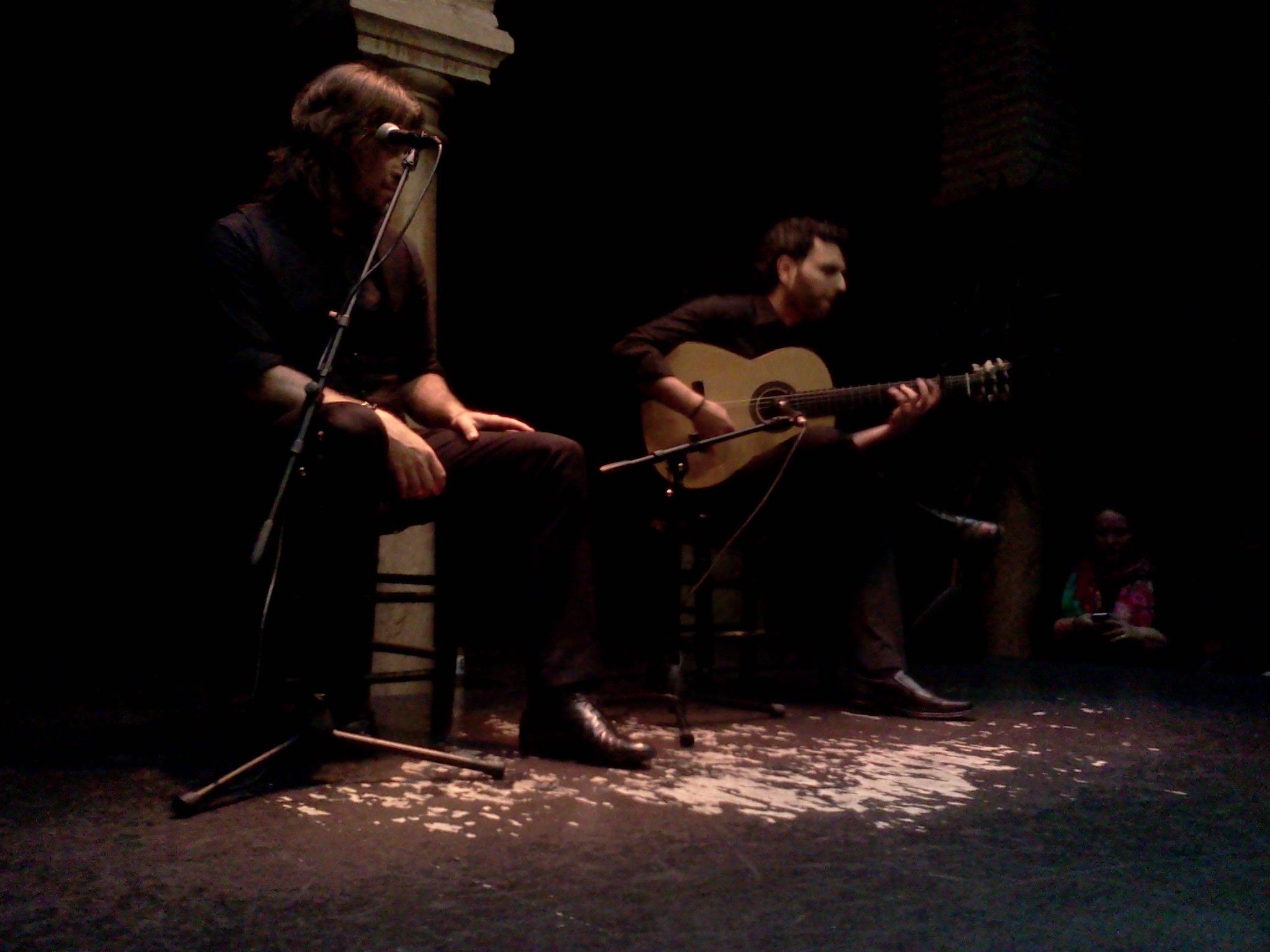
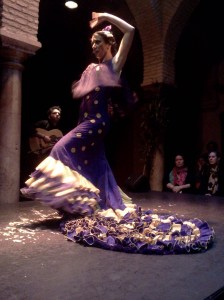 strings with amazing dexterity. The singer’s voice was rich and gritty, and his long hair and expressive face added to the atmospheric story conjured by his song. Both the female and male flamenco dancers pounded the stage, or tablao, with their high-heeled shoes and twirled, paused and clapped with such passion that you could not help but feel its effect, causing nearly overwhelming surges of emotion to bubble up in the chest at times. Its moving intensity surprised us all.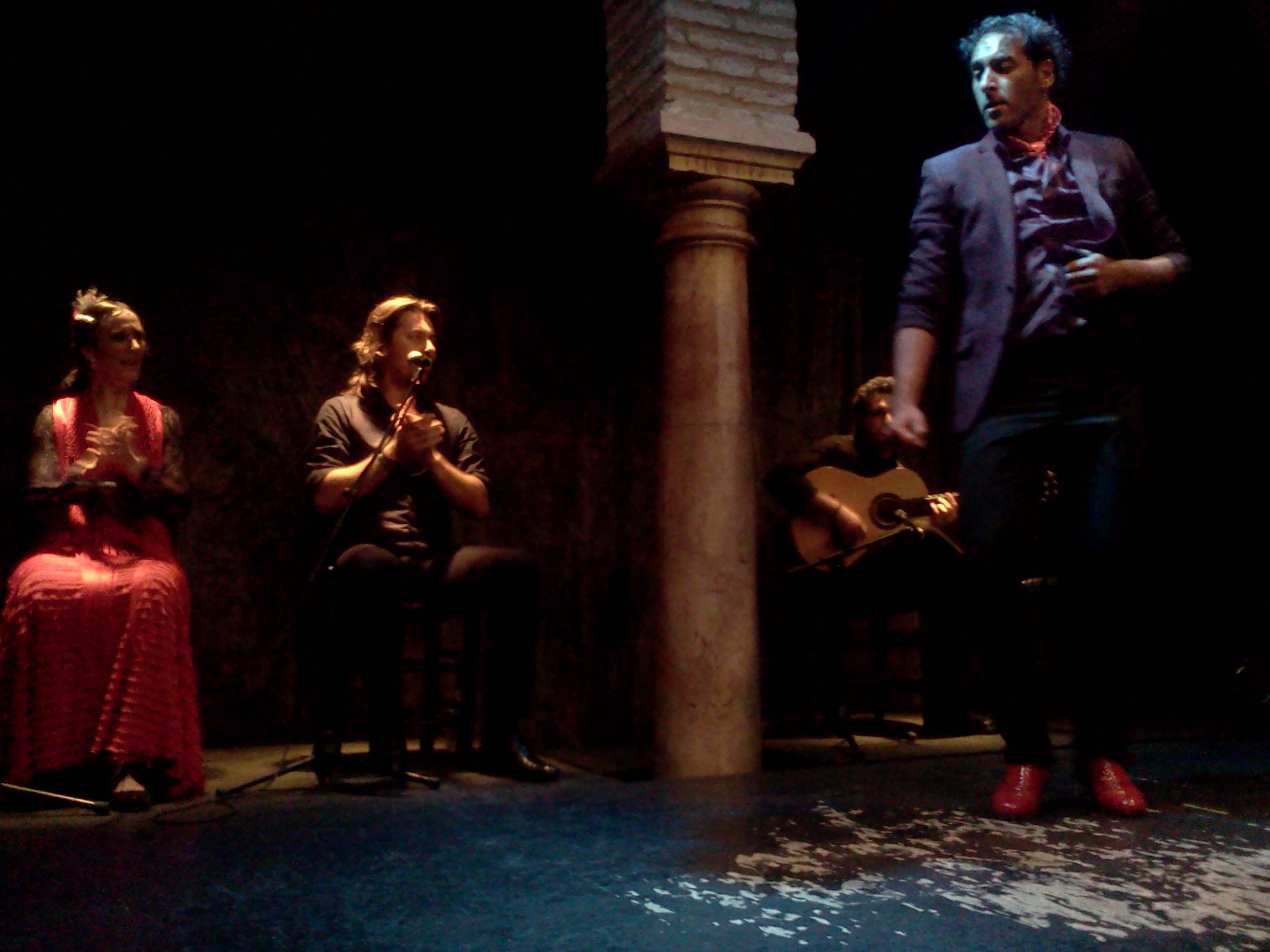
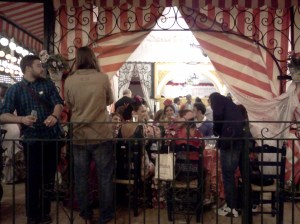
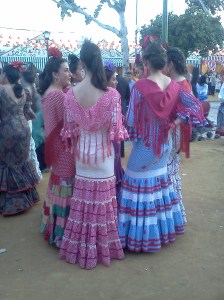 evokes a sense of the wild west, with dusty dirt roads, horses and ladies in beautiful dresses with full ruffles at the bottom. The women also wear huge painted flowers atop their heads and tasseled shawls which shimmy in time with their hips (which are hugged tightly by myriad colours and patterns, with polka dots as a strong favourite). Men mill about in suits and ties, while others ride horses in broad brimmed hats and grey vests. Whole families ride slowly along the streets in carriages, their horses decorated with bells and pompoms.
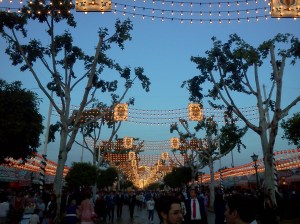
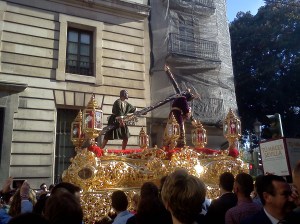 by huge floats, or pasos—carried on the shoulders of robust and devout young men—depicting figures of crying Mary and crucified Jesus, surrounded by candles, silver and gold lattice work and fresh roses. The feria, however, is not religious in nature, nor as old a tradition as Semana Santa. It began in the mid 1800s as a livestock fair, but quickly transformed into an excuse for a big party. Its purpose today seems to be dressing up in flamenco wear and heading out to a fair-ground to enjoy music, dancing, drinking, eating and general all-day, late-night, wee-hours Spanish merry-making.
 cloud at last this week, and shines as though it is here to stay. “Nature knows best,” an old Sevillan man told me as I waited in front of the Spanish school one afternoon with a group of students, all talking about the recent weather changes. “The olive trees, the orange blossoms, the fruits of the harvest need the rain! Soon the sun will scorch everything—you will see—it will be hot and dry until October. Nature knows best.”
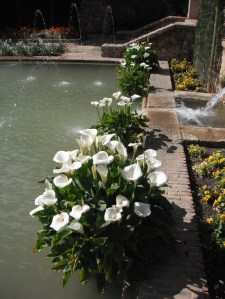
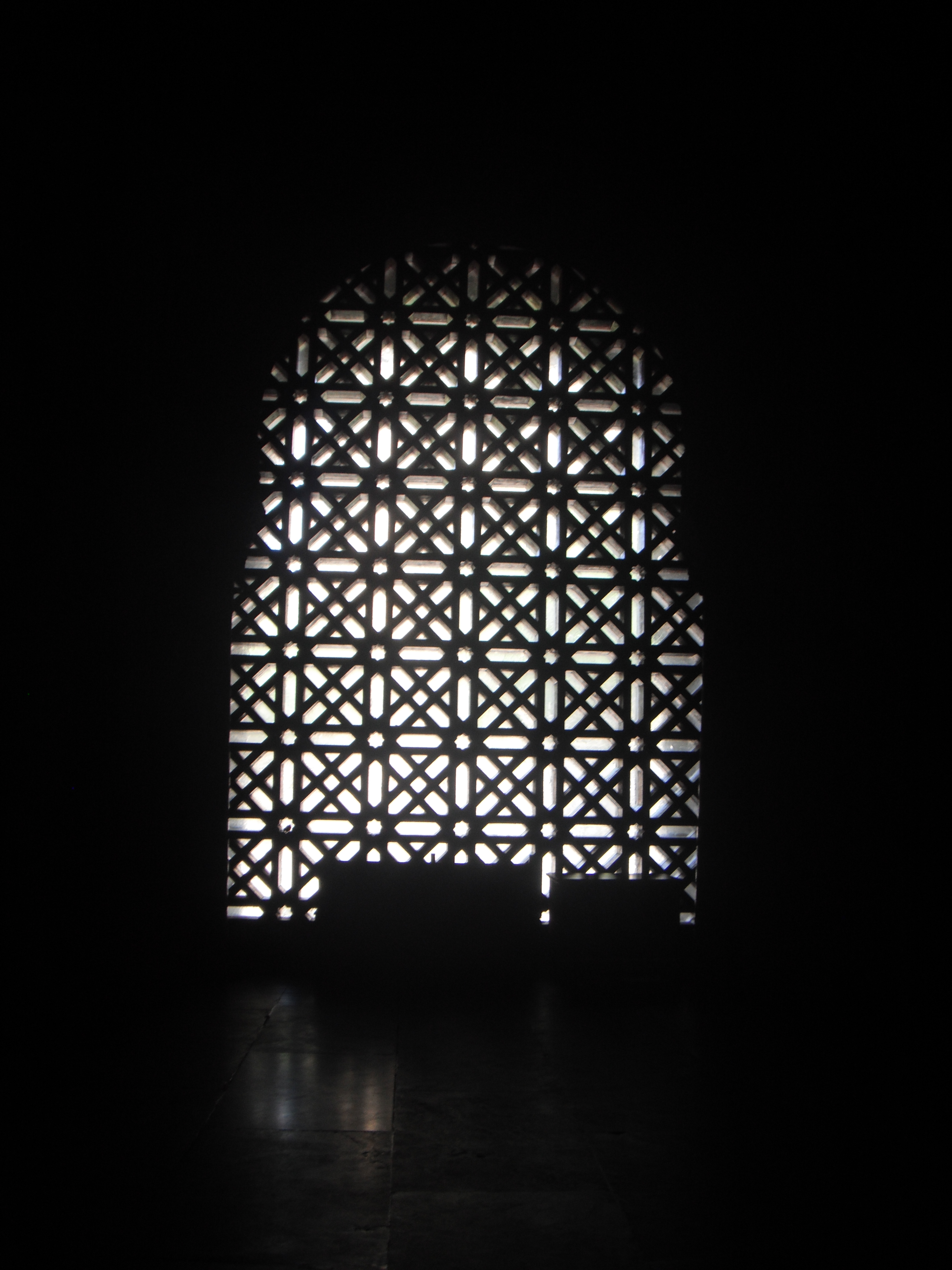
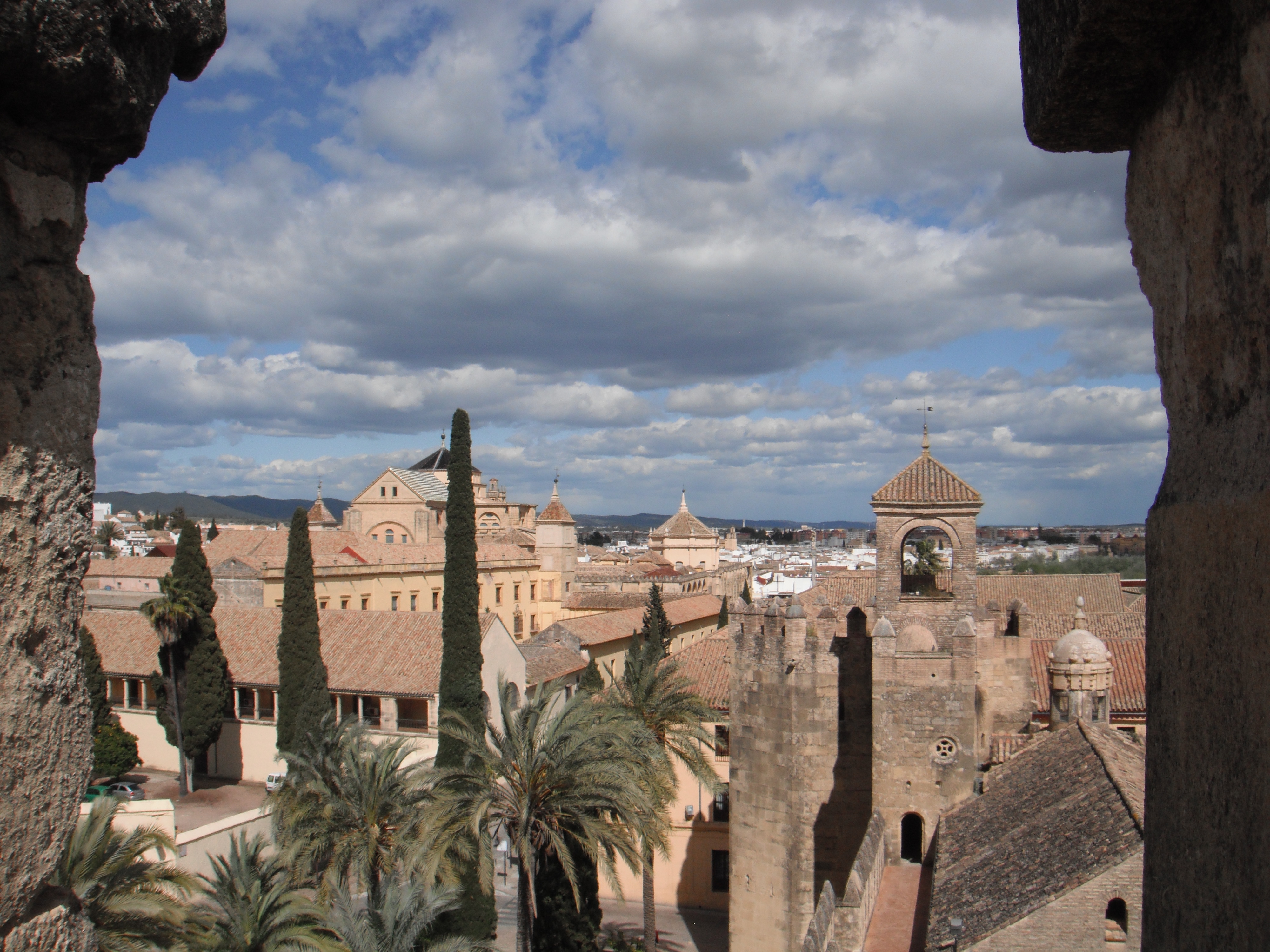
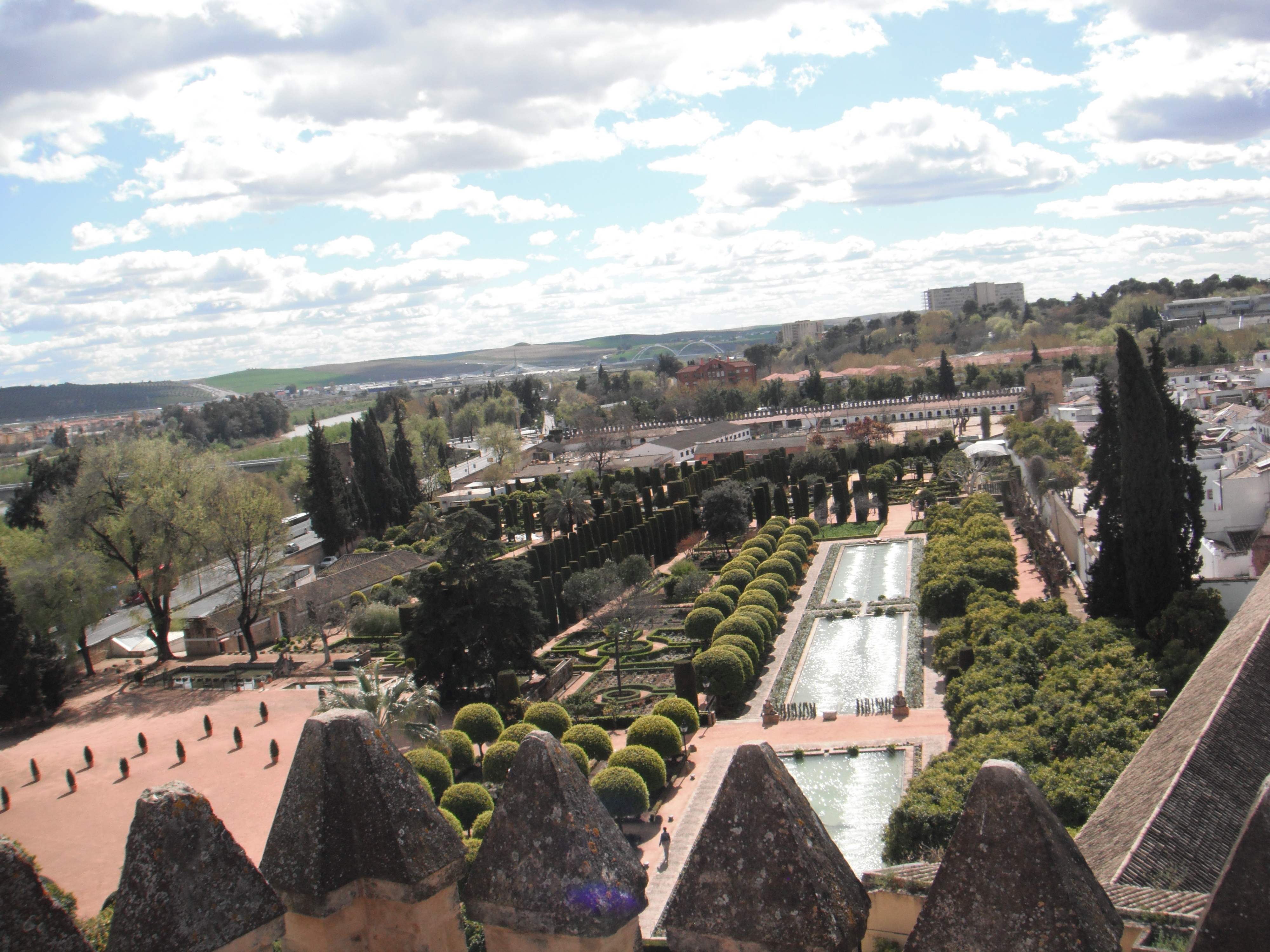
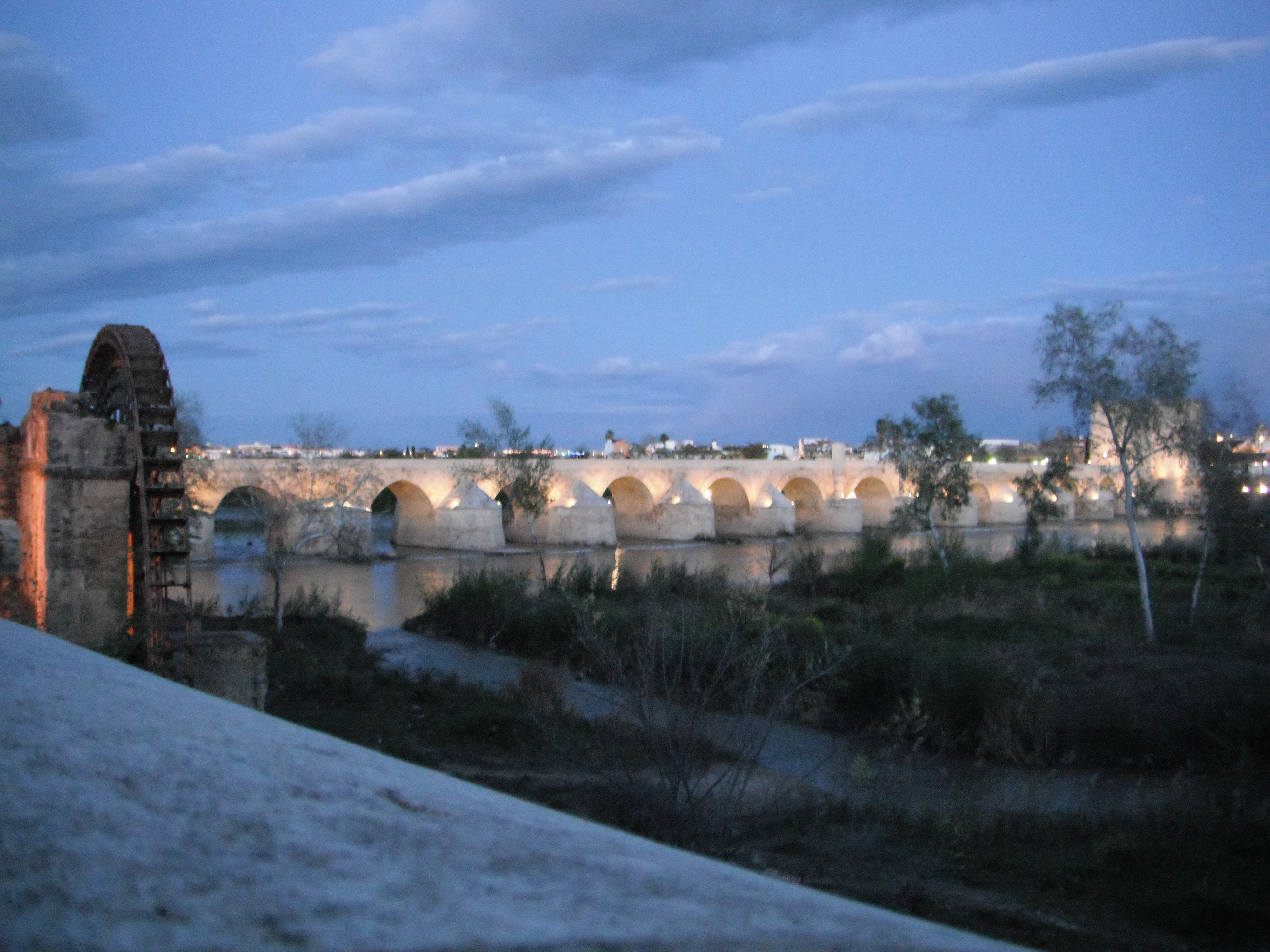
 many Sevillanos, and we found that it lived up to all praise. The Arab influence on Andalucía is especially evident in this city, particularly in the many water features throughout the city. Water is extremely important in Islam, as a symbol of purity, as a means to cleanse the body and as the source of life for all living things. The tiny stone alleyways apparently also come from the Arabs, which are common in Sevilla as well, but Córdoba is much smaller and lower in building height, giving it a small town feel and making it a truly charming place to wander through.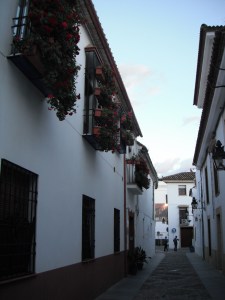

 eek were thoroughly infused with the Spanish spirit. Strolling and wandering, enjoying afternoon sweets before dinner, reading in the sun, and hours of drinking and eating—it was a lovely way to catch up with an old friend and to enjoy the Sevillan way of leisure before moving on to a more austere lifestyle over next few weeks. But for now, to bed! Buenas noches.
 Tegan Bethune