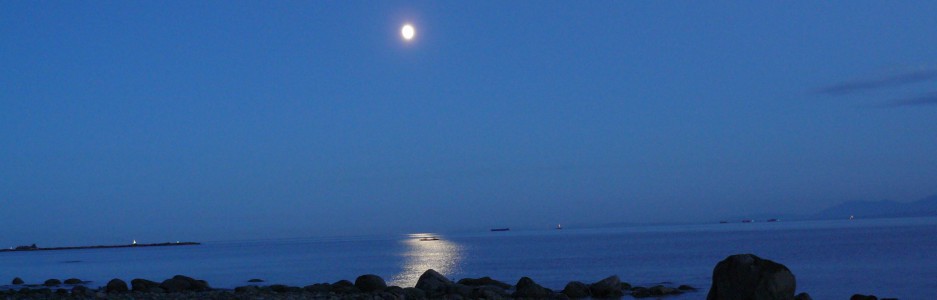
We spent five days in the hilly city of Granada. Seeing the mountain range of the Sierra Navada in the distance filled me with a wonderful sensation of both calm and exaltation, making me realise how much I miss not only the sea, but the tall blue mountains of the Canadian west coast too. While in Granada, I loved looking out from a hilltop and seeing the great mounds of indigo topped with white. It was also deeply satisfying to climb the narrow and winding streets, feeling the muscles working and the heart-rate rising, in comparison to the also charming but very flat Sevilla.
And of course, Granada is home to the famous Alhambra. I do not know where to begin in describing it. The collection of palaces, gardens and fortresses sits atop an enormous hill covered in deciduous forest, which in itself is stunning. Walking through the pathways beneath a luminous green canopy, listening to the sound of running water (Moorish fountains and streams abound alongside every leafy passageway)—ah, I loved it. Although we only had tickets to enter the Alhambra grounds once (thanks to Robin heroically lining up at 6:20am!), I returned several times to the surrounding park to soak up the peace of trees and water.

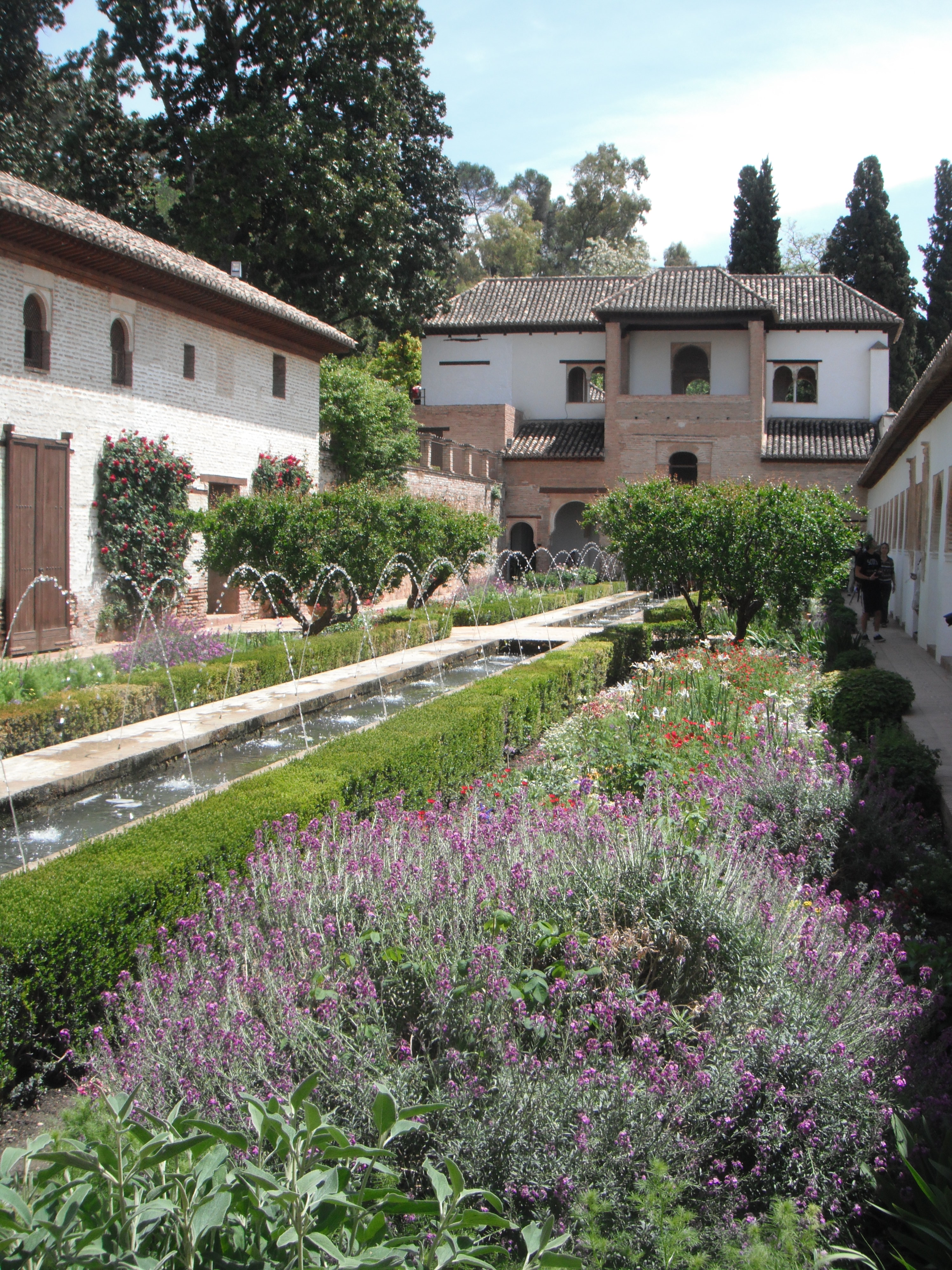
We visited the Alhambra the day after arriving in the city, entering the grounds just after opening time at 8:30am (those also hoping to purchase same-day tickets but who arrived after 7am probably did not make it in, judging by the long, thick, snaking queue that had formed when Robin’s parents and I joined him around 8am). We began wandering through the immaculate gardens in the clear, chilly morning, making our way to the Nasrid Palace for our entrance time of 10:30. Those Moorish kings really knew a thing or two about architecture! The vaulted ceilings, the archways, the brilliantly patterned and coloured tile-work, the minute details everywhere that form a breathtaking whole… an incredible place to visit. And throughout nearly every room and courtyard, the gentle babble of water flowed through fountains and troughs carved into the marble floors.

Furthermore, you could not ask for a better view of Granada than from atop the Alhambra. With the control of such a vantage point, it is no wonder that, when the Spanish began to push the Islamic rulers out during the Reconquista, this city was the last to fall.

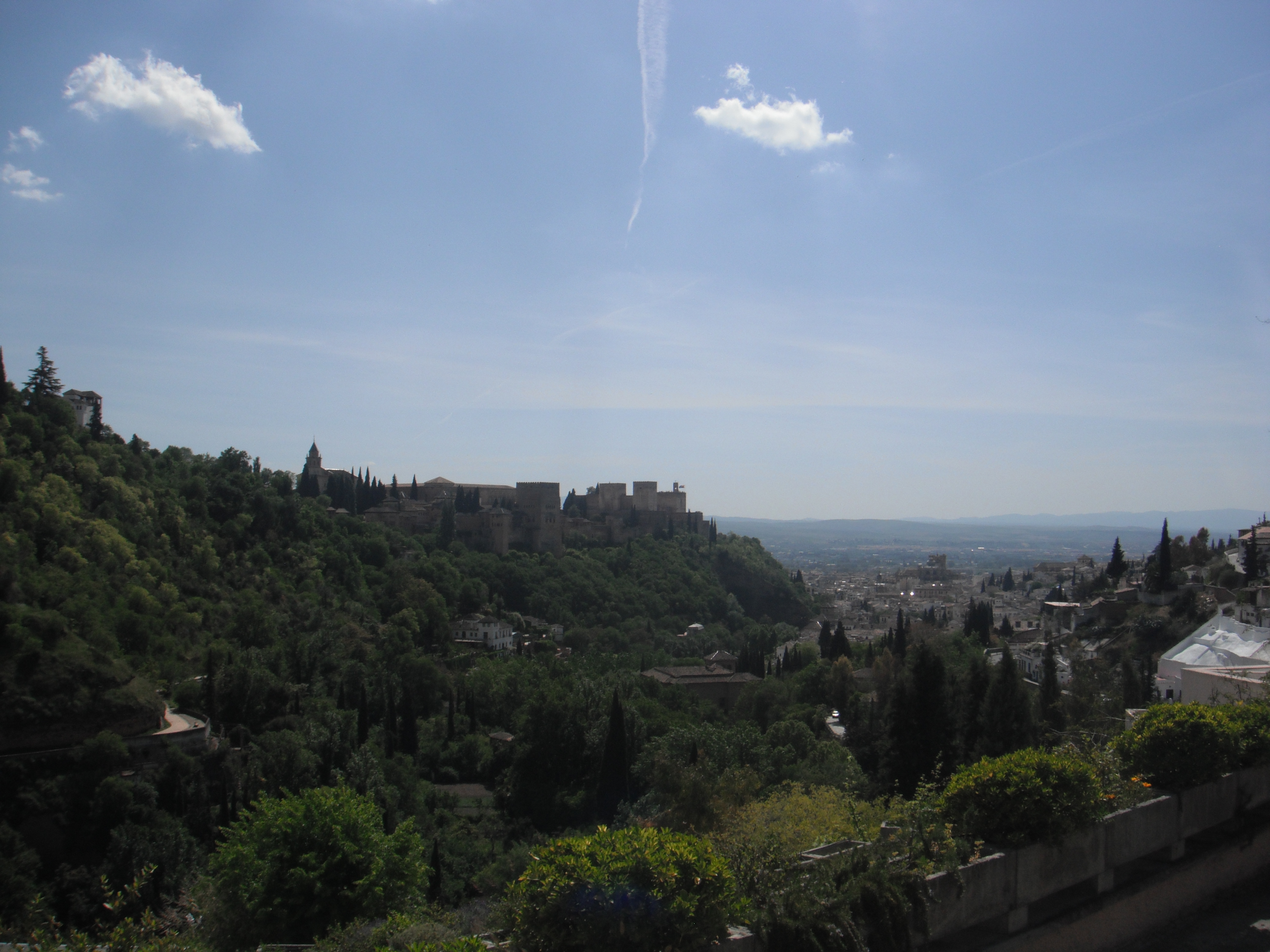
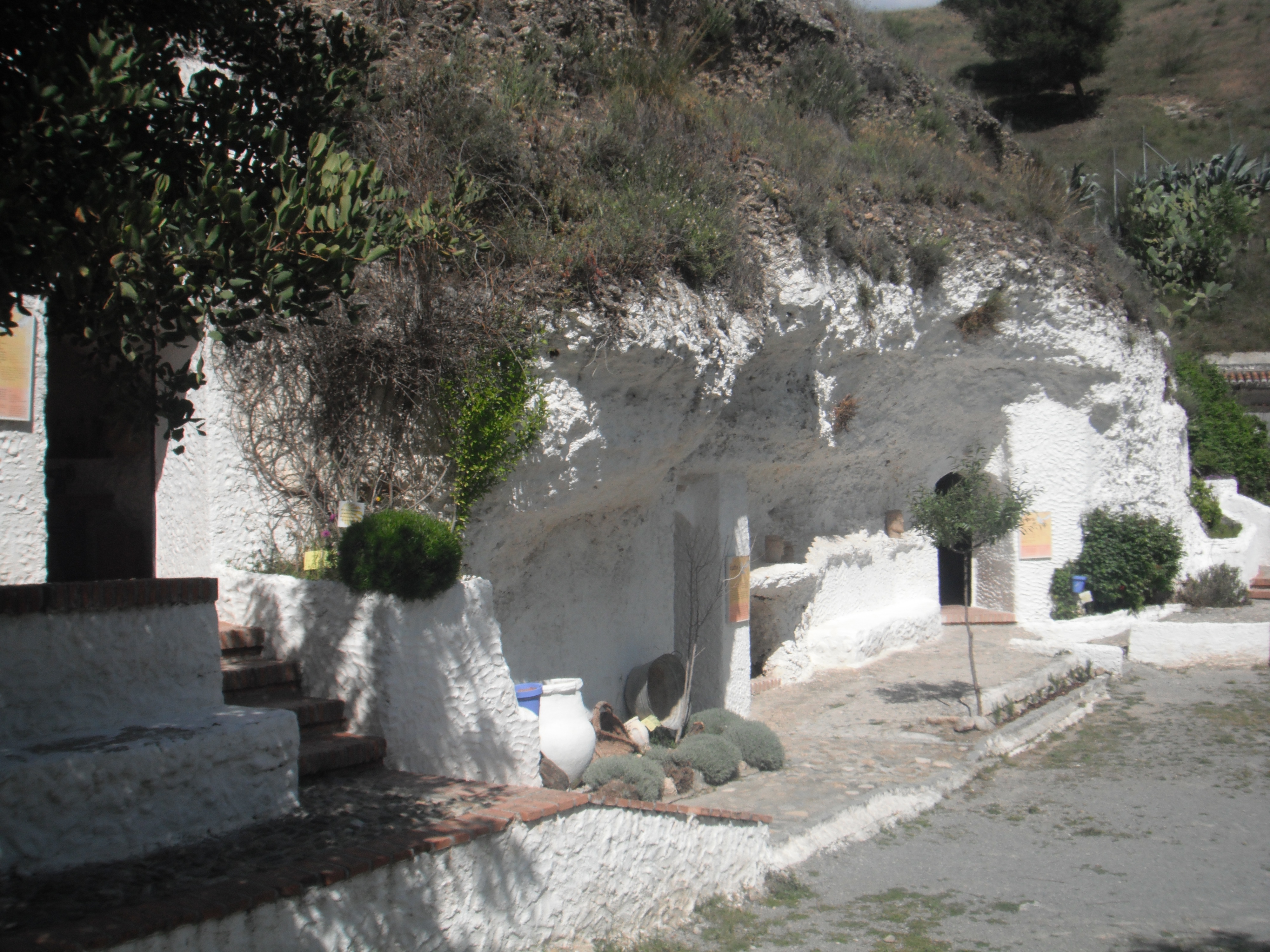
In order to obtain another beautiful view of the city and also of the Alhambra itself, we walked through the cobbled streets and up a hill to the Sacromonte district, which also happens to be the home of Granada’s Roma population (gypsies). These people suffered marginalization during much of Spain’s history,  and were not permitted to live in the city with the Catholic citizens. Pushed out to the borders of Granada, they made ingenious use of the natural landscape—found in a semi-desert microclimate—digging caves into the hilly earth that became their homes and workshops, shielding them from the heat and costing very little to build. The Roma population continues to live in the caves in what has become a thriving neighbourhood. Many of the caves have been modernized, though some people still live in very rustic dwellings. Rob’s mum and I visited a fascinating little museum that exhibited some of the traditional caves, where we also learned that the Roma people and their music and dance traditions were key in the birth of Flamenco.
Granada’s culture, architecture, landscape and delicious food left us all very happy with our time there, and I am sure we could have entertained ourselves for much longer. We said goodbye at the end of the week, Rob’s parents bound for Valencia and Barcelona and Rob and I for Sevilla. We caught the train back in the evening, with that post holiday mixture of satisfaction, wistfulness and readiness for your own routine again, which we are still in the process of building—an exciting prospect, really.
 Tegan Bethune