The sun burst through the thick grey slab of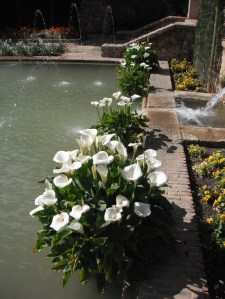 cloud at last this week, and shines as though it is here to stay. “Nature knows best,” an old Sevillan man told me as I waited in front of the Spanish school one afternoon with a group of students, all talking about the recent weather changes. “The olive trees, the orange blossoms, the fruits of the harvest need the rain! Soon the sun will scorch everything—you will see—it will be hot and dry until October. Nature knows best.”
Rumours of the summer’s temperatures do have us a little nervous, but for now, the sun reflecting off the buildings outside our window enlivens me when I wake up and pull the shutter open, knowing a long, bright, warm day is ahead.
Robin and I were invited by a new friend to take advantage of one beautiful day with a trip to Córdoba. This friend is from Paris, a lovely and lively woman who drove all the way here with the company of people she met on a ride-share website. Having her car here she offered to drive us, so off we went one morning to spend the whole day exploring somewhere new.
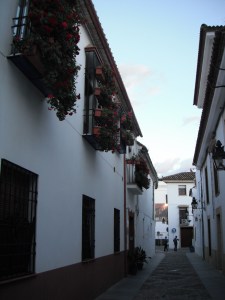
Córdoba is a place dear to the hearts of  many Sevillanos, and we found that it lived up to all praise. The Arab influence on Andalucía is especially evident in this city, particularly in the many water features throughout the city. Water is extremely important in Islam, as a symbol of purity, as a means to cleanse the body and as the source of life for all living things. The tiny stone alleyways apparently also come from the Arabs, which are common in Sevilla as well, but Córdoba is much smaller and lower in building height, giving it a small town feel and making it a truly charming place to wander through.
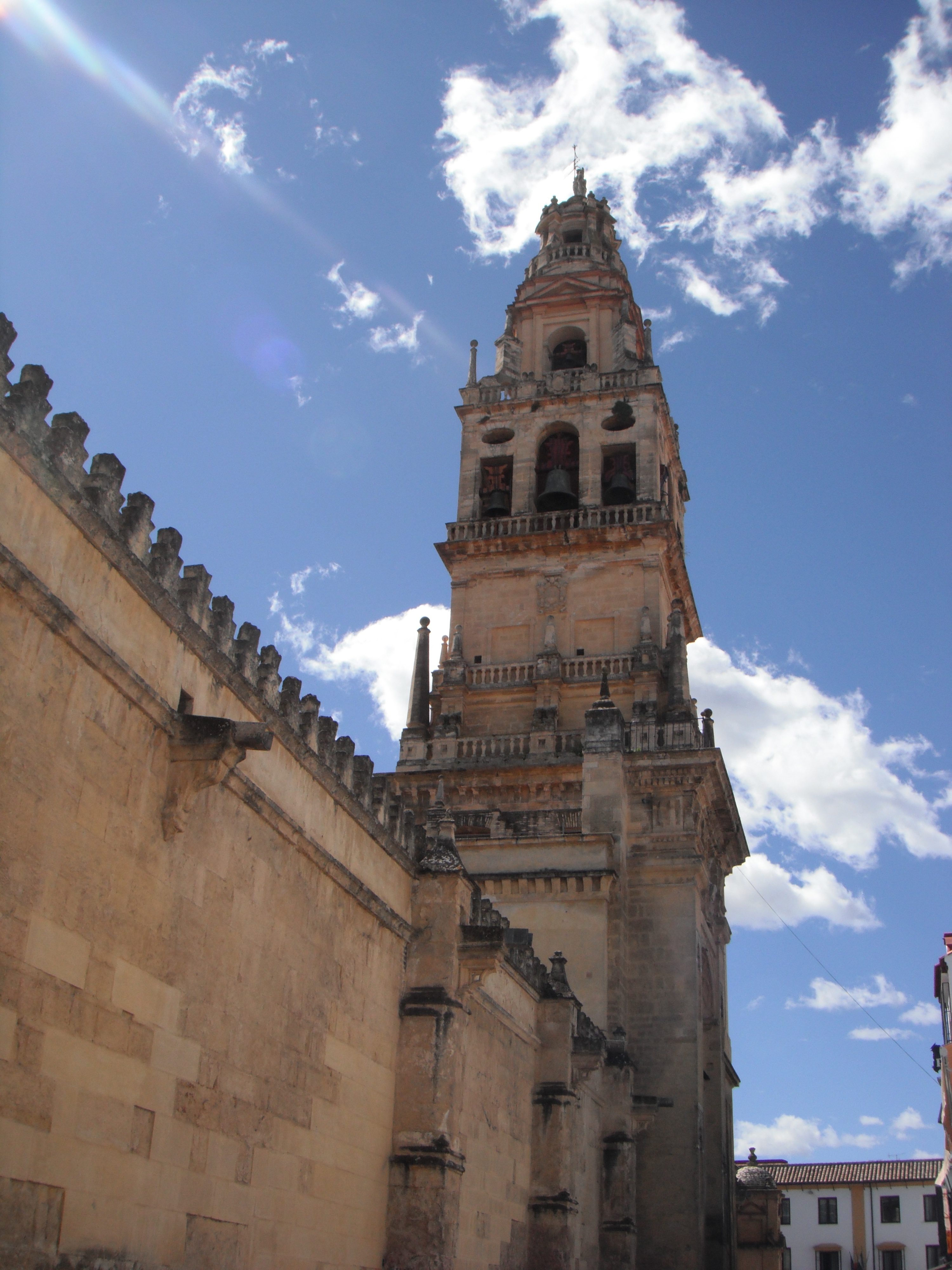
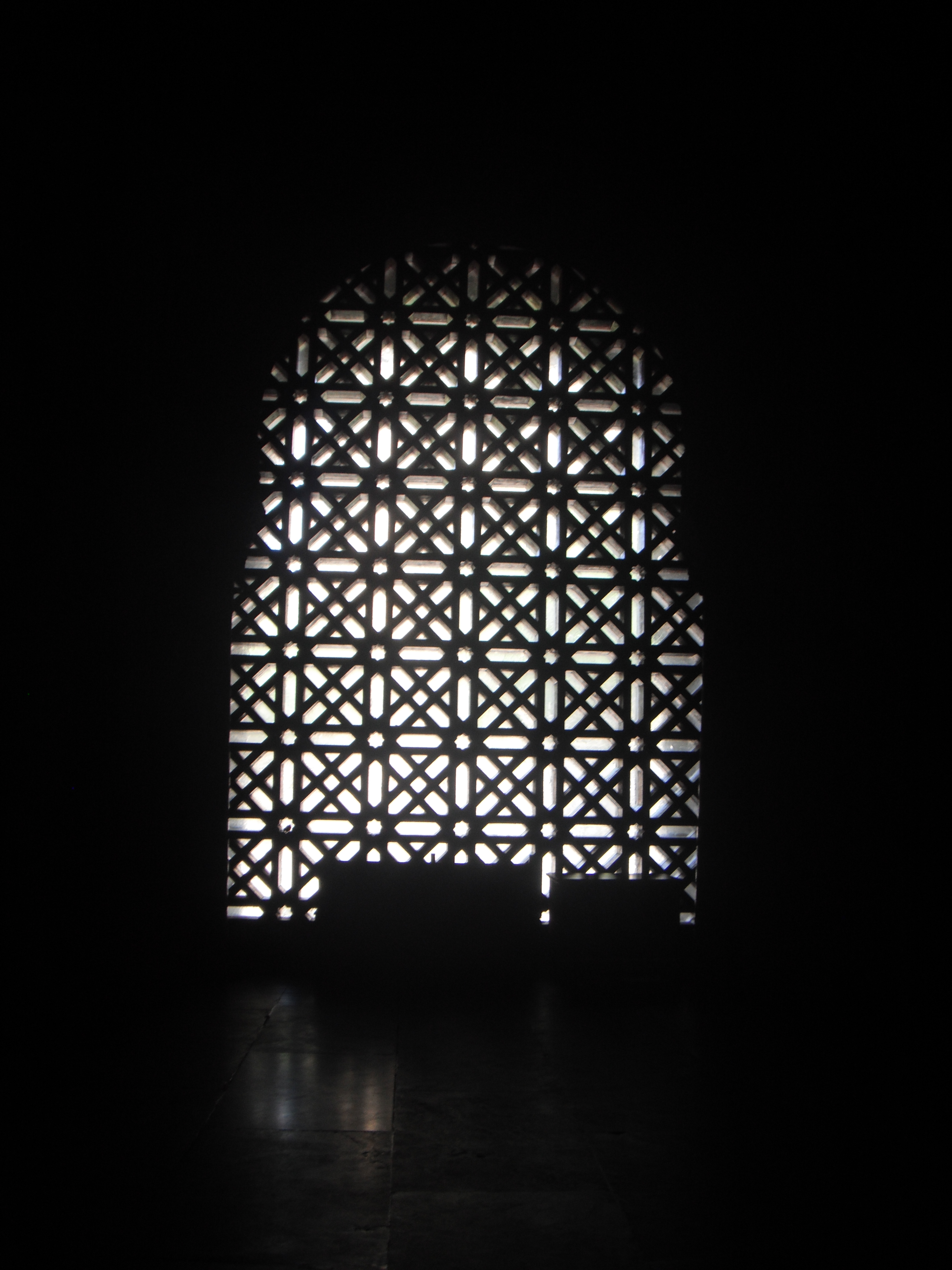
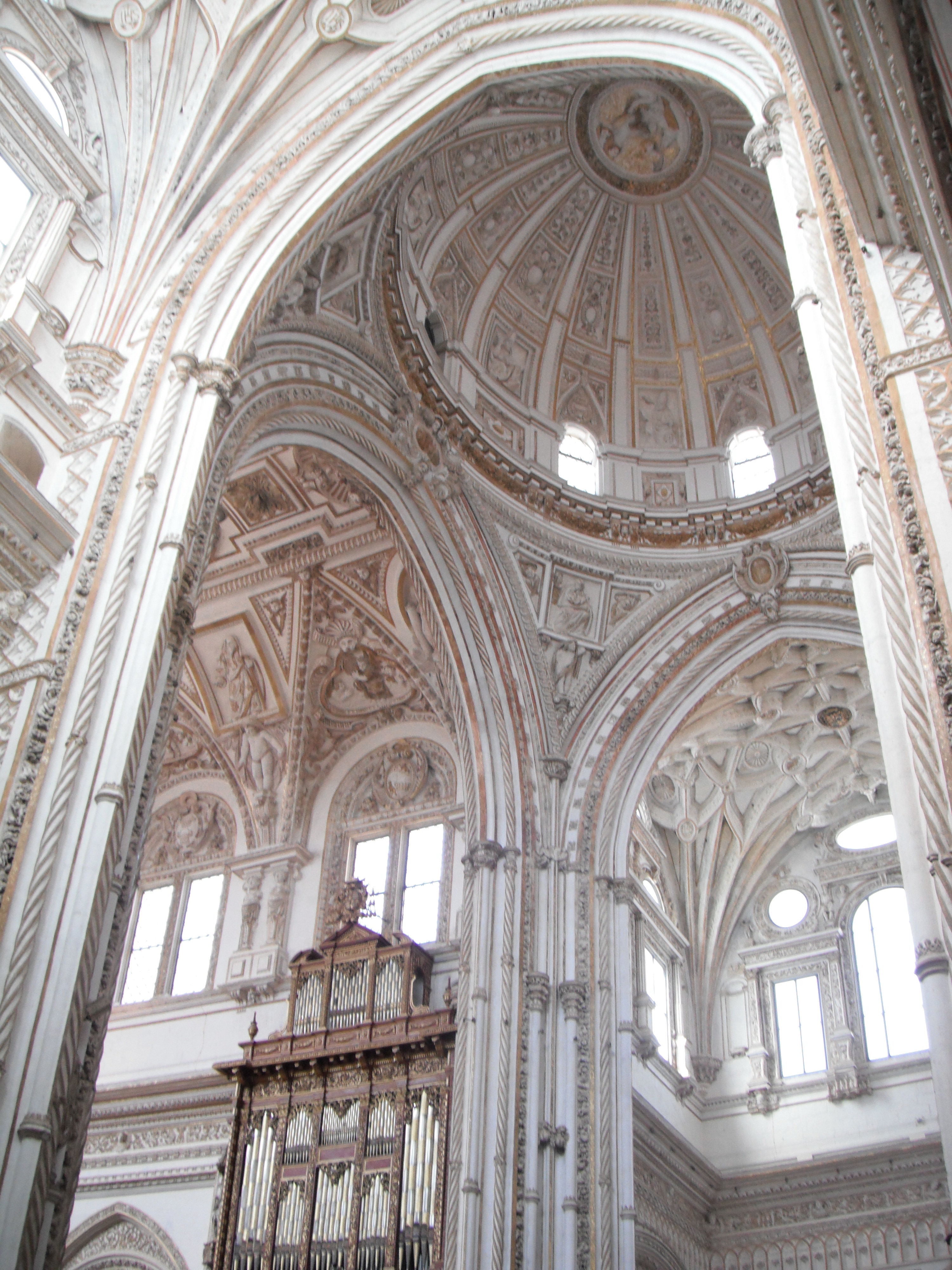
Having only one day to see as much as we could, we had each asked around regarding the must-see sites of the city. Everybody agreed the Mesquita (mosque) and the Alcázar (main palace or fortress) were unmissable. We started with the Mesquita, where the layers of Anducian history can be seen in the very walls. Hundreds of pillars held up the dimly lit, incense-laden air of the once-mosque, displaying the ancient work of the Romans. After the Arabs invaded the region, they used the pillars to build their own mosques and structures. And after the Christians began the Conquista and pushed the Moors out seven centuries or so later, in 1492, they used the Muslim buildings for their own. Mosques became Catholic churches, either renovated or partly torn-down and reconstructed in the elaborate baroque style of the era. This layering of cultures has endowed Andalucía with some of the most interesting and beautiful churches in Europe.
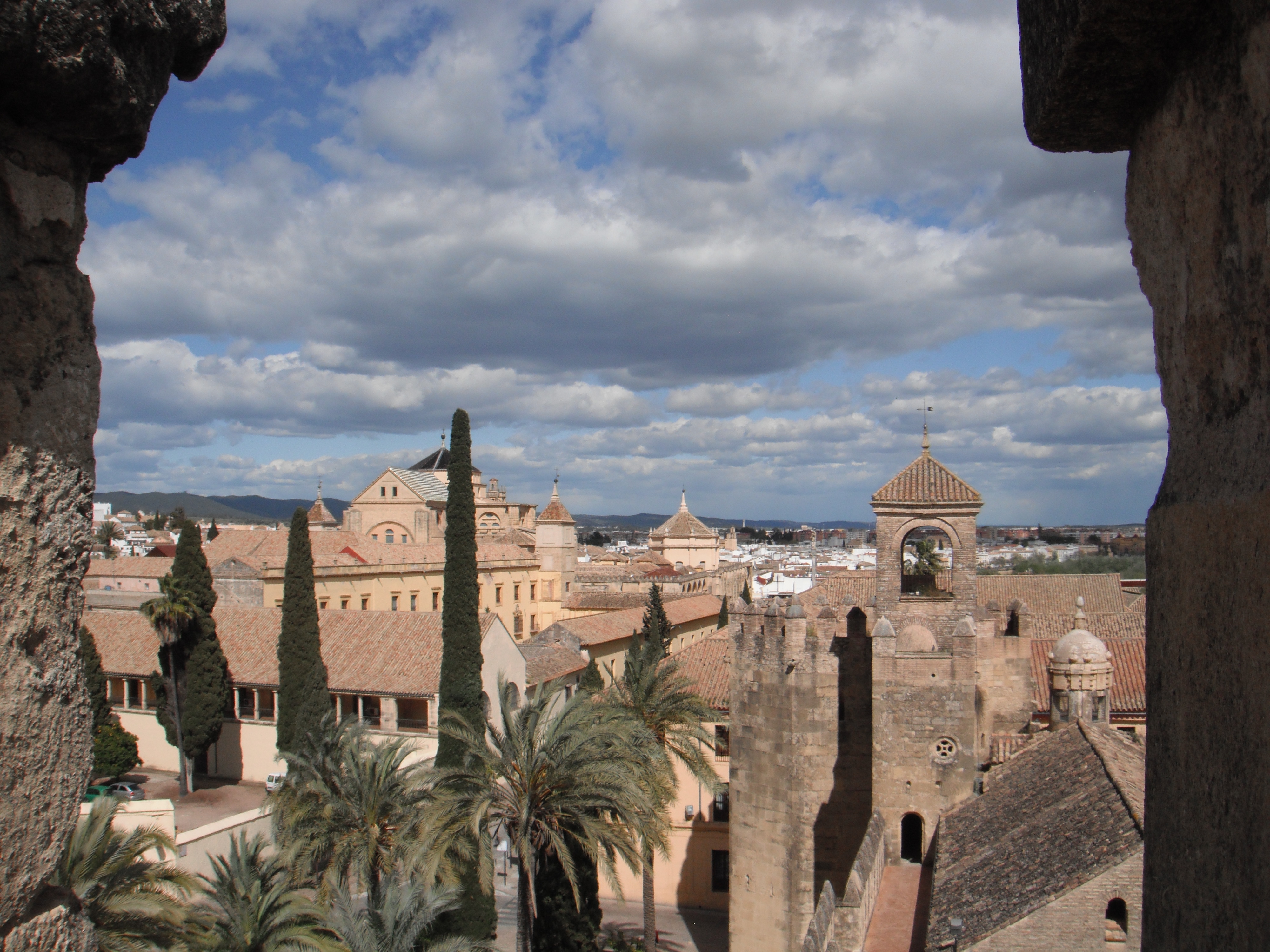
The Alcázar remains a striking fortress, with amazing views from the top of its tower, but the most impressive part is the immaculate expanse of the gardens. The importance of water can be seen in beautiful pools and fountains rimmed with flowers and filled with black and orange fish.
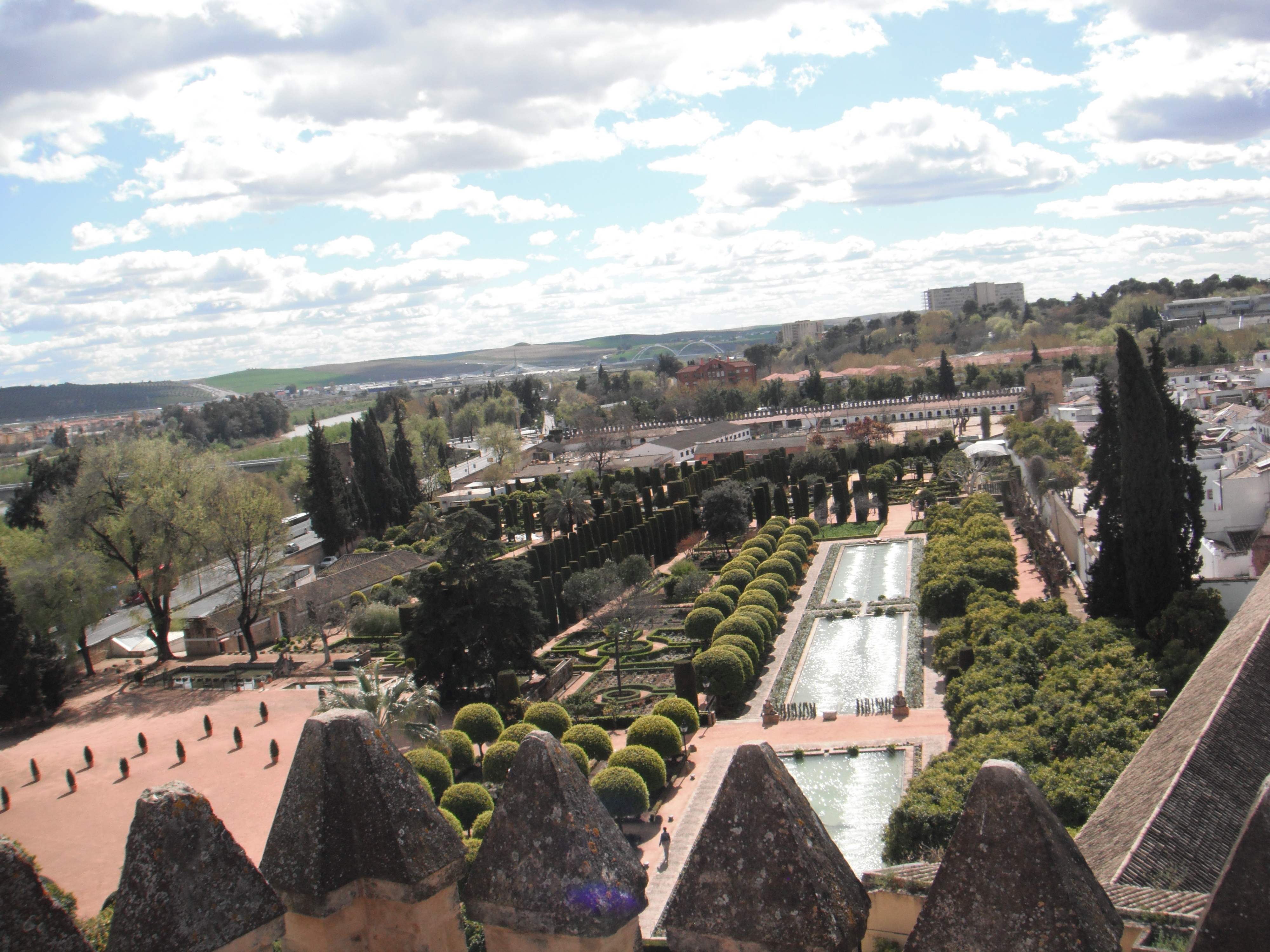
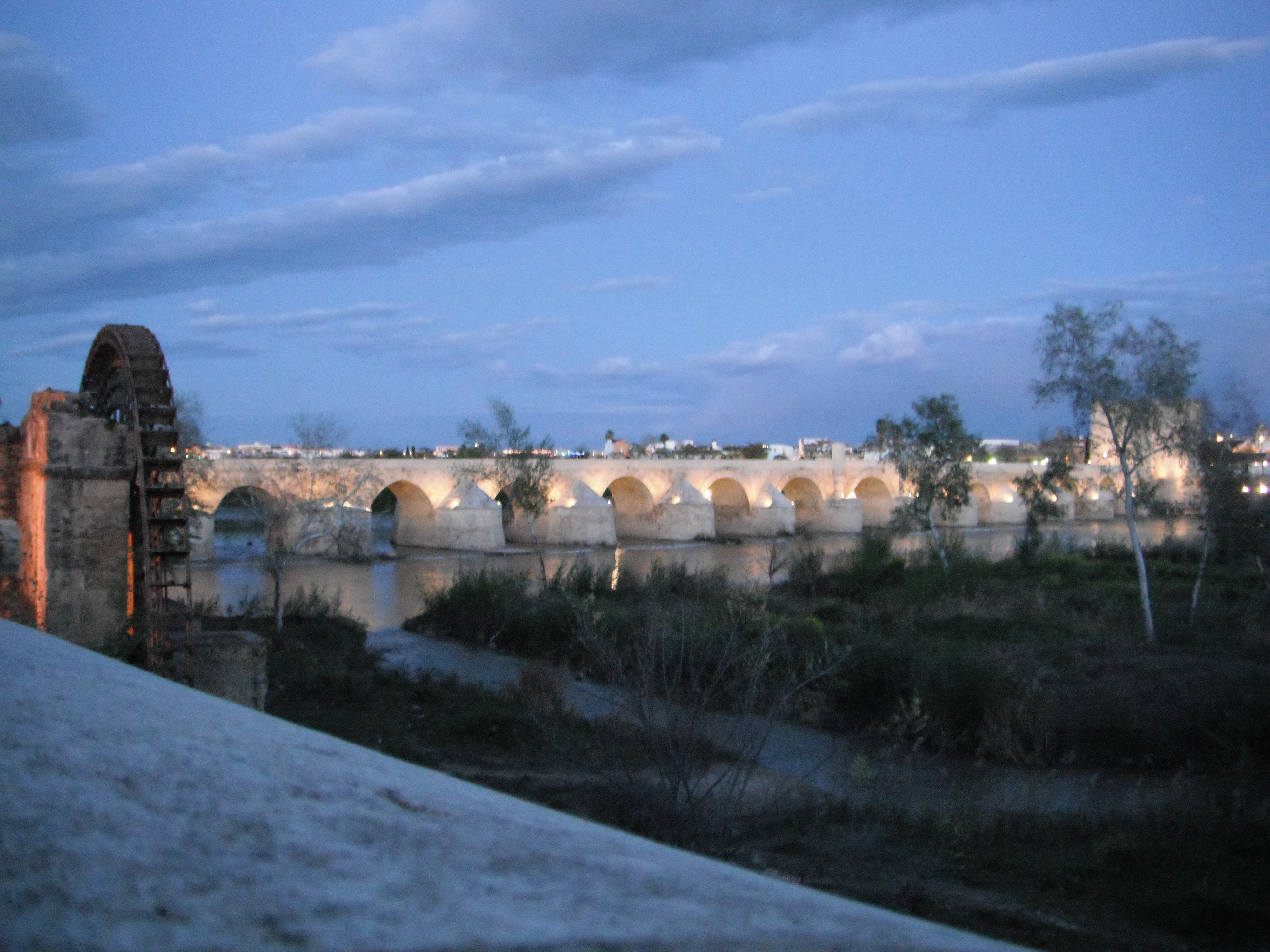
After we spent a good long while soaking up the atmosphere of the gardens,we spent the rest of the day wandering through the city, which sits along the banks of the same river, Guadalquivir, that runs through Sevilla. A Roman bridge crosses from the Mesquita to the other side, a sight evocative of ancient history, today reserved for pedestrians and cyclists. We also enjoyed some delicious food, including the famous salmorejo of Córdoba, a cold tomato soup with lots of garlic, and the classic potato filled tortilla; tortilla is everywhere in Spain and is almost always very tasty, but there definitely was something particularly good about the one we found in Córdoba.
We drove back after dinner—which we ate around 10pm like good Spaniards (topped off with a generous portion of chocolate cake)—and got back to Sevilla around midnight, tired but happy. It was a beautiful day, with good company, good food, good sight-seeing. It was also a good day for Spanish, which for the past week or so, Rob and I have been using as our main mode of communication. This can get tiring at times (and sometimes you just need to indulge in a little English), but the tangible results of easier communication and better comprehension provide the motivation to keep going. It feels as though we are at last settling into being here, and our adventure to Córdoba has left me excited for all the other places we can explore during the year. I still miss home something fierce, but I am ready to embrace this Spanish experience as fully as possible.

 Tegan Bethune